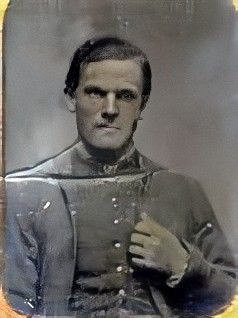
James Washington Smith, our 2nd great-grandfather
Our Smiths
After the Revolutionary War, the Smith side of the family had a complicated past with both Southern and Northern sympathies — sometimes within the same family. Over the years, some owned slaves and fought to maintain that society. Others emancipated them and moved out of the South. And then there were those non-slave owners who signed on to fight for the Confederacy. Others were abolitionists who fought on the Union side. As many Southerners would claim in the early 1900s in what was called “The Lost Cause,” they were fighting for States' Rights. This is total bullshit. It was ALL about maintaining slavery as an institution. Simply look at a speech by Alexander Hamilton Stephens, the Vice President of the Confederacy. In what became known as the “Cornerstone Speech,” where Stephens declared what the foundation of the new Confederate government would be based on.
“The prevailing ideas entertained by him (Thomas Jefferson) and most of the leading statesmen at the time of the formation of the old constitution, were that the enslavement of the African was in violation of the laws of nature; that it was wrong in principle, socially, morally, and politically.”
“Our new government is founded upon exactly the opposite ideas; its foundations are laid, its cornerstone rests, upon the great truth that the negro is not equal to the white man; that slavery, subordination to the superior race, is his natural and normal condition.”
Their thoughts were pretty clear-cut. One ancestor, our 2nd-great-grandfather James Washington Smith, fought for the Confederacy in that war.
Civil War Timeline
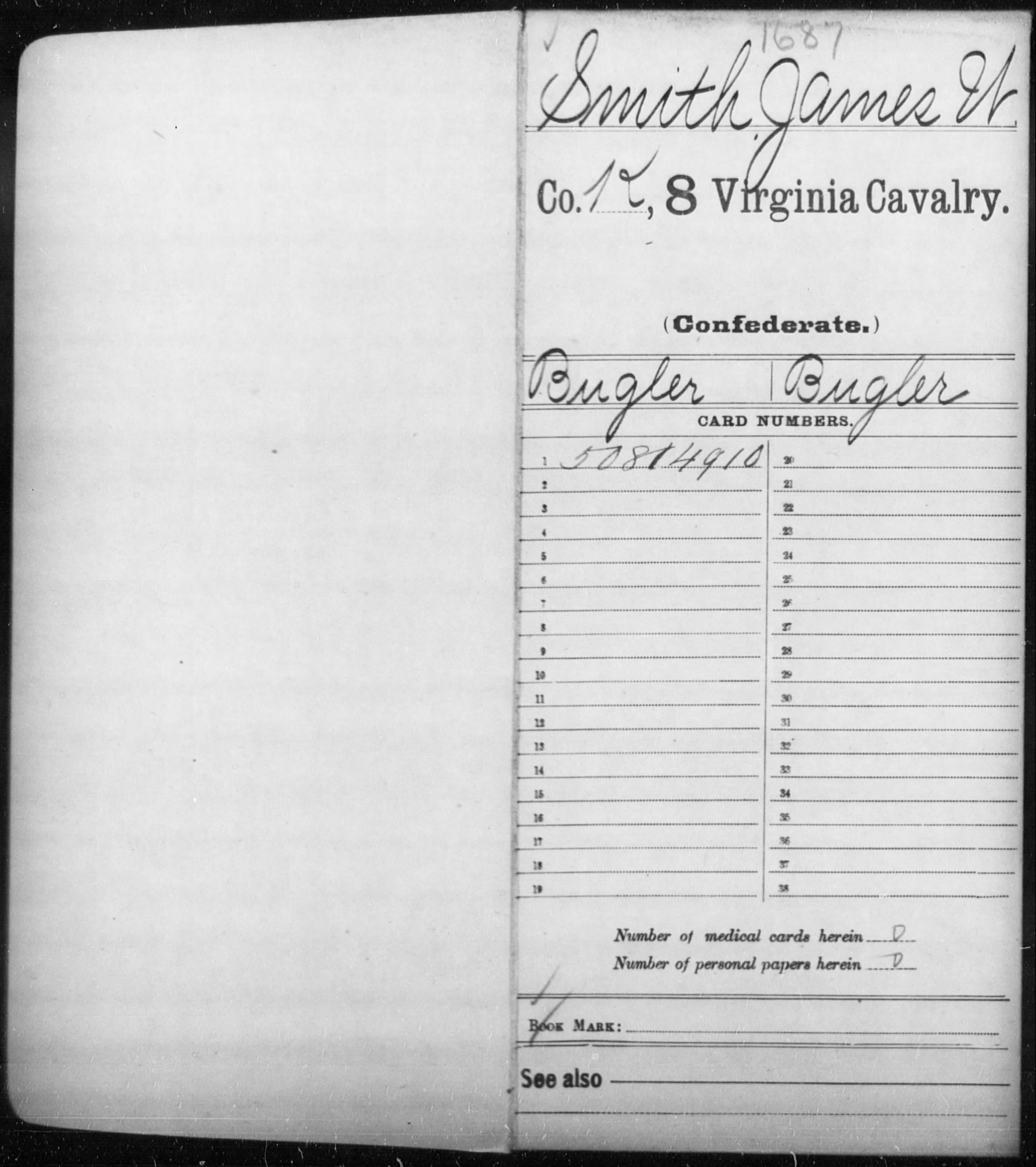
Enlisted in Company K, VA 8th Cavalry (Big Sandy Rangers). James was called by his middle name of “Washington” or “Wash.”
Enlistment
Becoming a Soldier
“This company enlisted May 28, 1861, and was called Big Sandy Rangers. It was originally known as Capt. James M. Corns’ Company. The Sandy Rangers were nicknamed the “bloodtubs” due to the bright red flannel hunting shirts and caps they wore for several months in early 1861. In its early days, the unit consisted of 53 members, but this grew to 110 when it incorporated the Fairview Rifle Guards.”
Info is provided by Lambert's Papers 4:13….
The Smith household was included in the 1850 and 1860 censuses of Wayne Co. One great-granddaughter of James', Pauline Smith Gilkerson, recalls seeing a picture of James Washington with a lock of his red hair attached.
Early Battles
Skirmish at Camp Creek, Stone River Valley, Virginia, USA – 5/1/1862
“The Battle lasted for about one-half hour, then reinforcements came from Princeton, and it looked like a victory for the Confederates. But soon they saw the Union soldiers coming about a quarter mile away. As far as they could see there were soldiers, and seemingly no end to them.”
23rd Ohio Volunteer Infantry was commanded by a 38-year-old Harvard-educated lawyer with no military experience before the war by the name of Rutherford B. Hayes. The future 19th President of the United States.
Among the men of the 23rd Ohio was a newly promoted commissary sergeant, William McKinley. A brash and spirited 19-year-old, McKinley would also become 25th President of the United States.
Camp Creek, Mercer County, Virginia, USA
Post Battle Report
300 CSA soldiers faced the 23rd Ohio Volunteer Infantry (Co. "C").
Union loss, 1 killed, 20 wounded.
CSA loss, 6 killed
5/1/1862
Action at Giles County Court House – 5/10/1862
Gen. Henry Heth, commander of the area’s Southern forces, managed to cobble together an army of some 2000 men and five artillery pieces. Lt. Col. Rutherford B Hayes soon realized that the gathering Confederates force far outnumbered his regiment of around 600 men. Heth also had artillery, while Hayes had none.
Hayes sent a series of desperate but unheeded requests to his commander for reinforcements. Early in the morning of May 10, the Confederates attacked Hayes’ first line of defense just south of town. In an hours-long running battle, the Federals fell back through the town and up the river, making several futile stands along the way. At the Narrows, Heth continued to pound the Union troops with artillery. Hayes was wounded, and his regiment retreated to Princeton.
The action at Giles Court House effectively ended the Union advance to Central Depot and saved — for a time — the strategic Virginia and Tennessee Railroad. It can even be said that Hayes’ defeat ensured that Giles County remained a part of the state of Virginia and not part of the new unionist state of West Virginia.
Giles County, Virginia, USA
Post Battle Report
2000 CSA soldiers and five artillery pieces faced the 23rd Ohio Volunteer Infantry of 600 soldiers.
Losses of 2 or 3 killed on either side and several wounded.
5/1/1862
Skirmish in the North
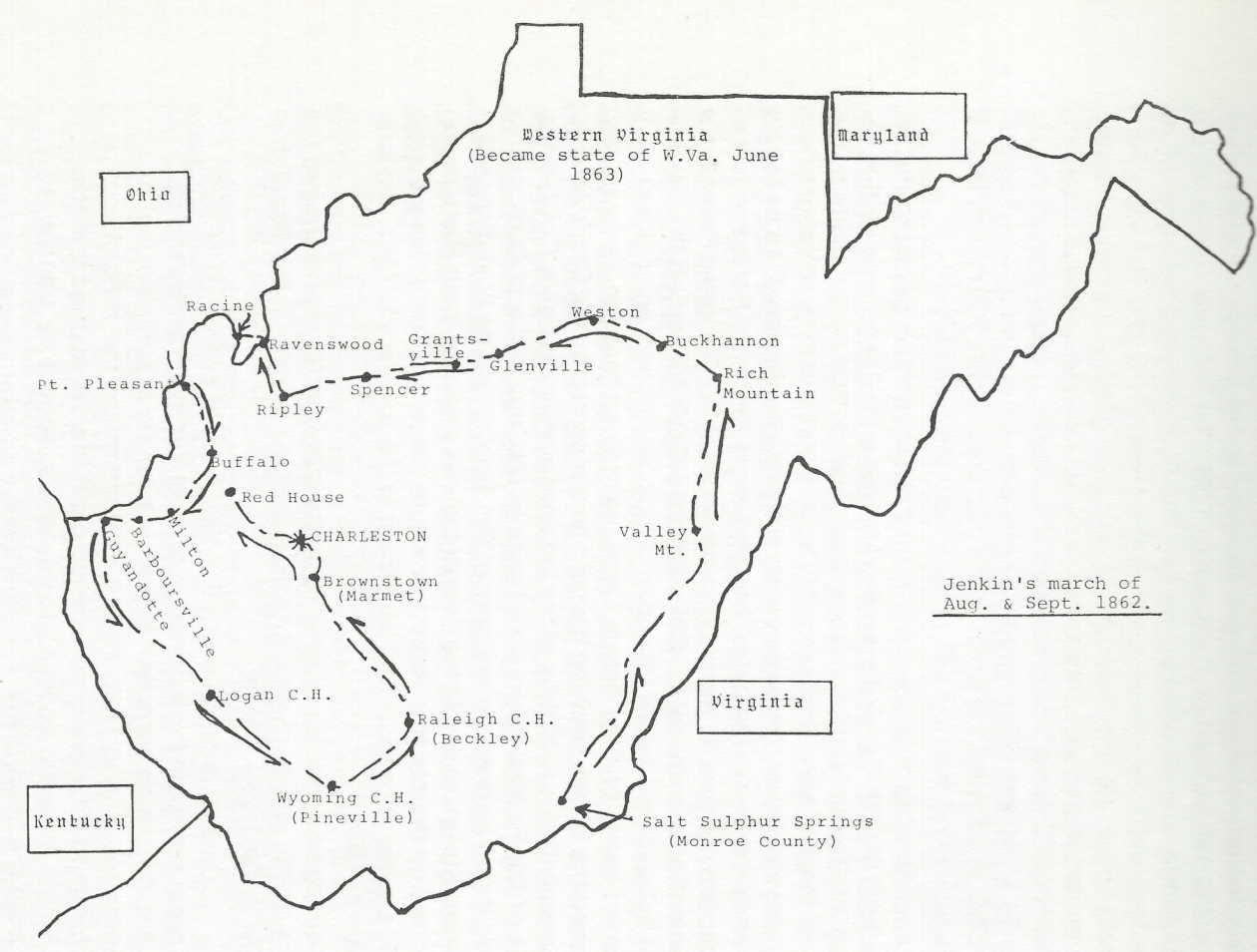
Jenkins’ expedition in West Virginia and Ohio – 8/22/1862 to 9/19/1862
Jenkins’ expedition in West Virginia and Ohio. On August 22, 1862, newly appointed Confederate Brigadier General Albert Gallatin Jenkins began a raid through Western Virginia. It was in response to a string of events that began with Robert E. Lee’s impending invasion of Maryland.
On September 4, the raiders crossed the Ohio River in Jackson County — about 60 miles north of Jenkins’s home at Green Bottom — and became the first to raise a Confederate flag on Ohio soil.
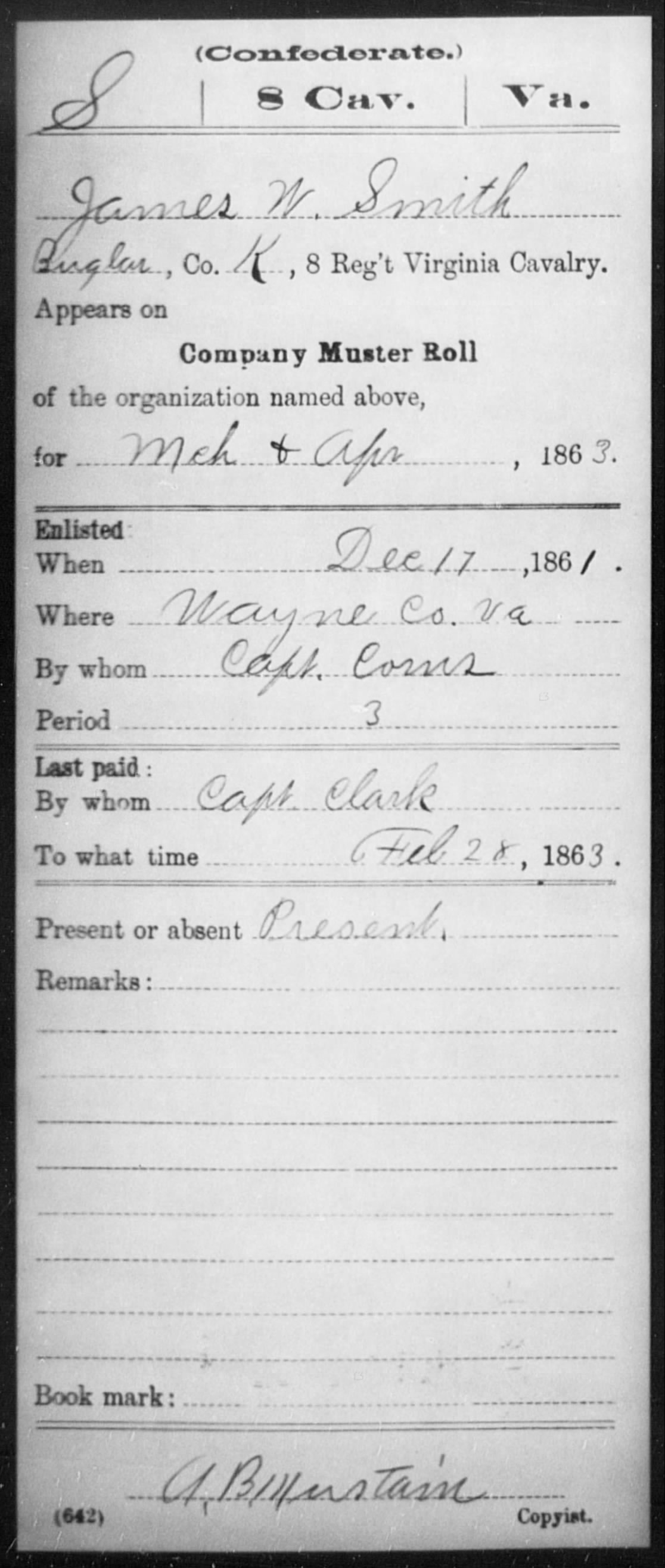
Muster Call
Present and accounted for in spring muster rolls
Post West Virginia Split
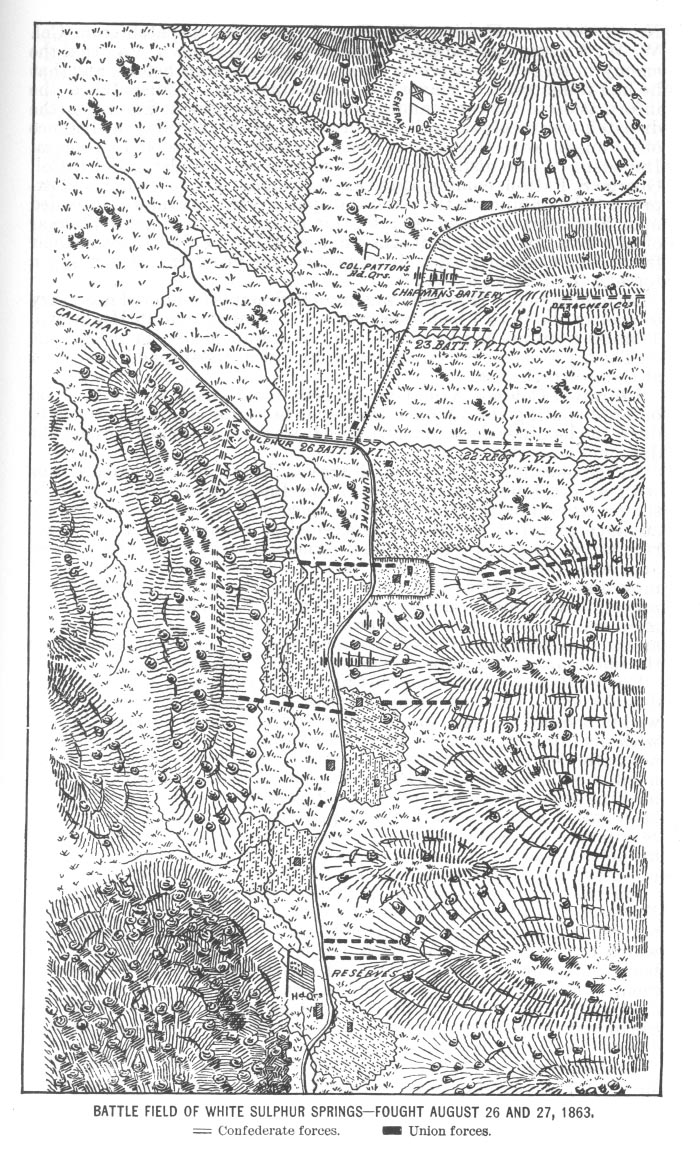
Battle of White Sulphur Springs, West Virginia – 8/26-27/1863
In obedience to an order from Col. George S. Patton, commanding the Confederate forces, the Twenty-second Regiment, consisting of nine companies (Company K being stationed at the Narrows of New River), was formed in line of battle to support and immediately in front of Chapman's battery, with orders to hold the position at all hazards, this being the center of the Confederate lines.
The strength of the regiment actually in the fight was about 500, aggregate.
Tennessee Battle
Battle of Rogersville, Tennessee – 11/6/1863
The Battle of Rogersville was a conflict in and around the town of Rogersville, Tennessee on the morning of November 6, 1863, between the United States Army 3rd Brigade, 4th Cavalry Division and the 2nd East Tennessee Mounted Infantry, and the Confederate States Army Jones’ Brigade, 2nd Cavalry Brigade and the 8th Virginia Cavalry. Because Federal forces were caught largely by surprise, the Confederates, under Brigadier General William E. Jones, were able to recapture Rogersville along with significant supplies from the town’s railroad storehouses.
Death
Battle of Jonesville, Lee County, Virginia – 1/03/1864
“Washington” was wounded in the Battle of Jonesville, Lee County, Virginia. The battle took place on January 3, 1864. Confederate General William E. Jones, assisted by Colonel A.L. Pridemore, defeated a Union Force and captured the battalion. The Union battalion, under the direction of Major Beers, surrendered with 383 men, 3 pieces of light artillery, and 27 6-mule teams. Only two of Pridemore’s men were killed in the battle, and four wounded. About that many were killed and wounded from General Jone’s brigade. The Union troops lost 40 men, killed and wounded. Union troops burned the courthouse, located in the heart of Jonesville, in 1864.
They also burned down Franklin Academy, claiming that it had been used as a Confederate Hospital.
Note from Don
Where is his final resting place?
New information I just read in the “8th Virginia Cavalry” by Jack L. Dickinson tells a different story. A Confederate plot at the Spring Hill Cemetery in Huntington, West Virginia, was established in the late 1800’s and many members of the 8th Virginia Cavalry were buried there. In 1895, a resolution was passed by the Camp Garnett chapter of the United Confederate Veterans to exhume and move fellow 8th Cavalry members killed and buried in Tennessee and Virginia to this Confederate plot in Spring Hill. It further states that “Lt. Alexander Samuels, Henry Baumgardner, Lon Love and Charles Shoemaker (all were killed at the same battle as James Washington Smith) were moved to Spring Hill. This author confirmed that they are indeed interred there along with over 400 Confederate soldiers, including four unknown soldiers (each grave marked with a big X) near these soldiers.
It is my belief that one of these “unknown” soldiers could very well be our James Washington Smith, who was moved there with his fellow soldiers killed in the same battle.
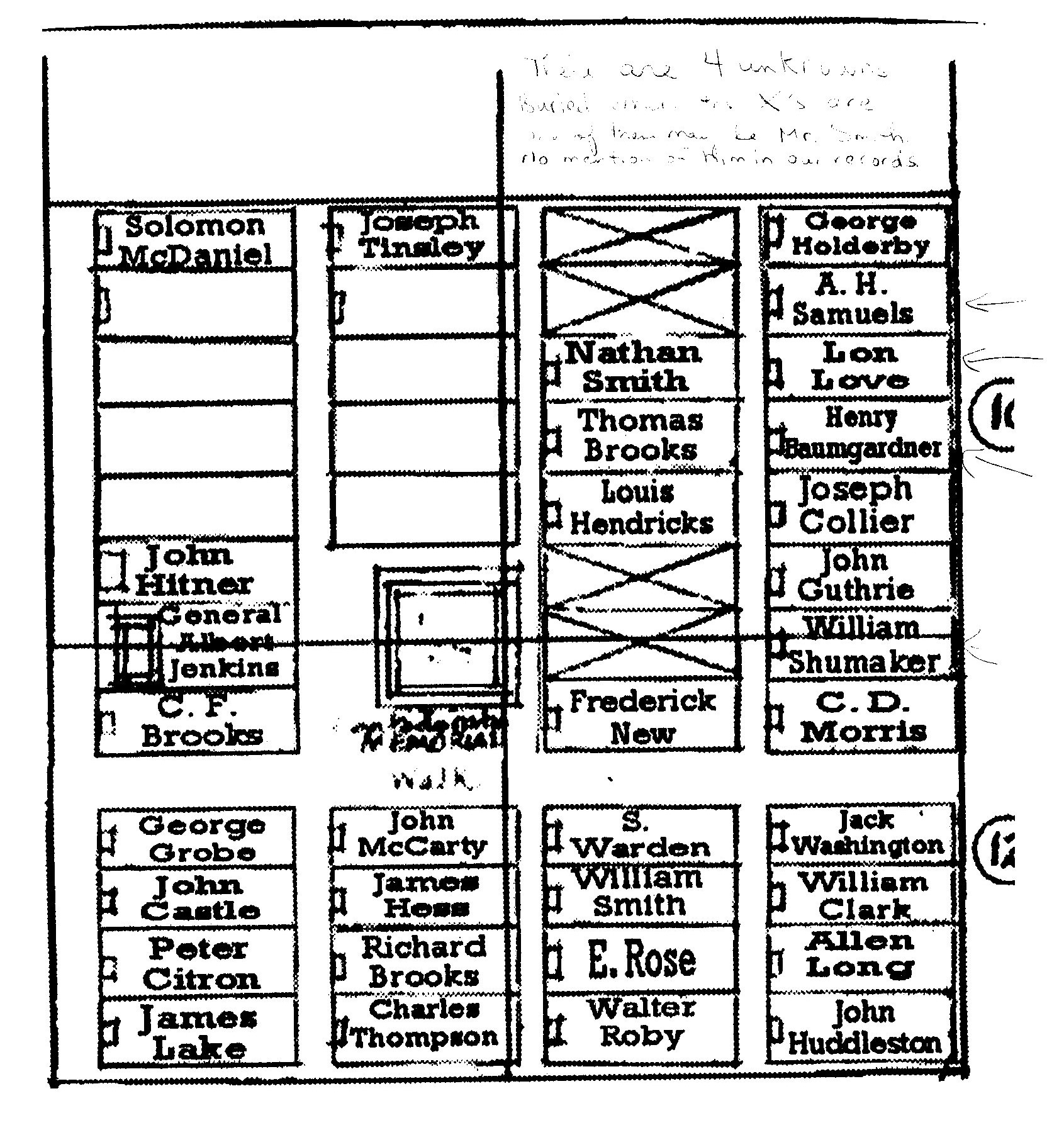
Photo Gallery - Civil War Memoriablia in my Collection.
0 items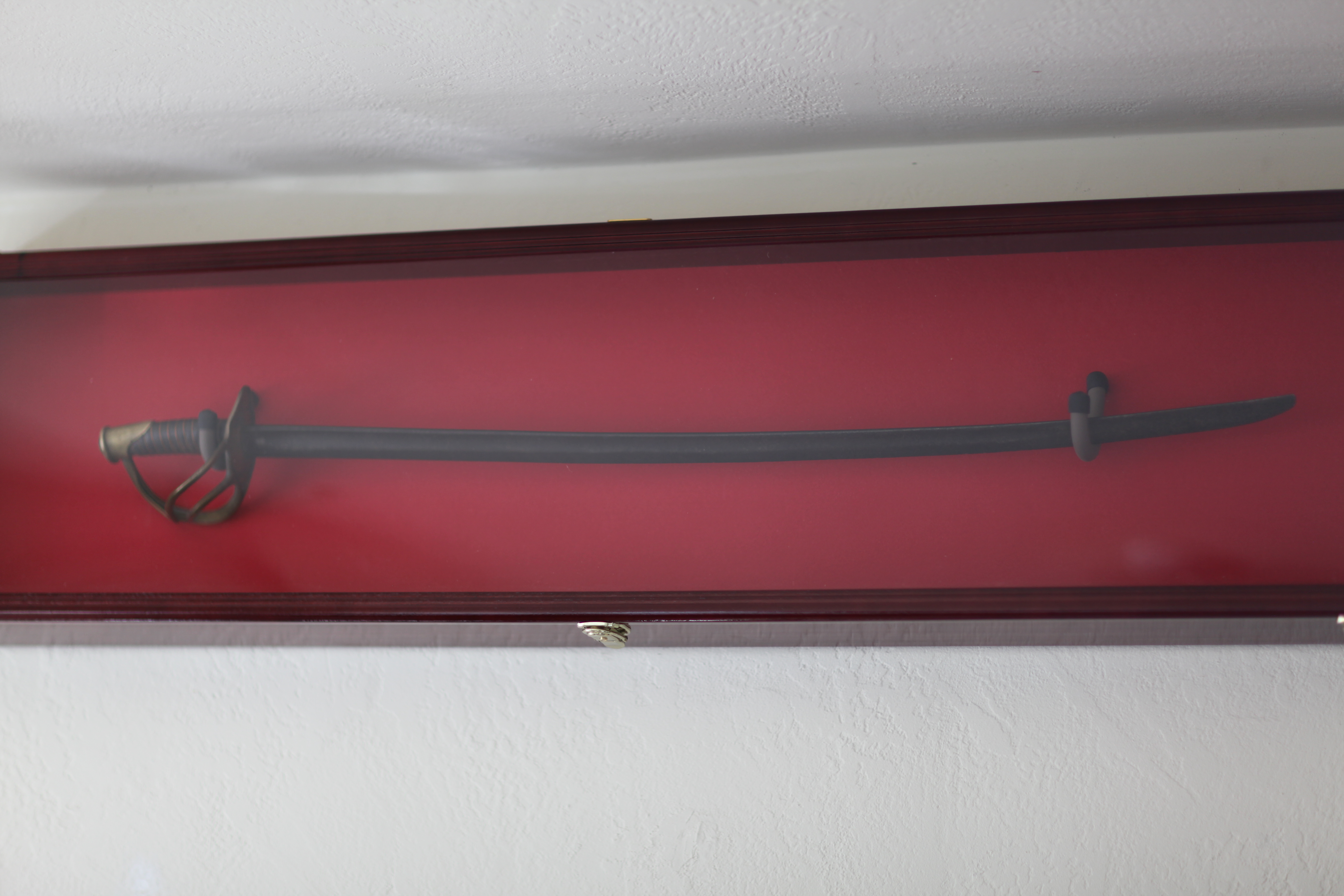
A Model 1860 Light Cavalry Saber, standard issue for Confederate cavalrymen. This sword was carried throughout the war.
Cavalry Sword
Model 1860 Light Cavalry Saber that I Purchased and added to my collection.
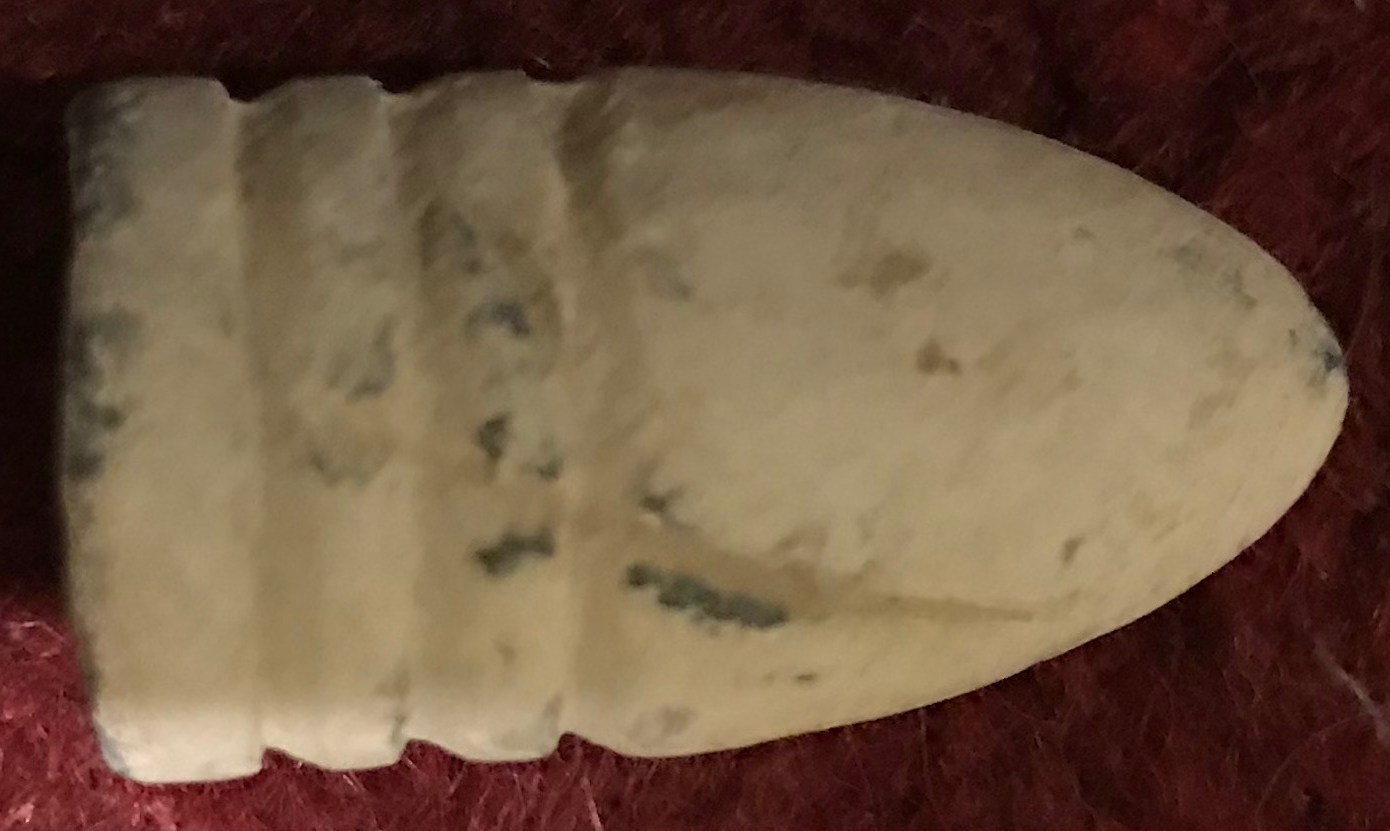
The Minié ball, or Minie ball, is a type of hollow-based bullet. It's not really a ball at all when compared to a typical Musket ball.
Civil War 54 caliber Minie Ball
Civil War 54 caliber Minie Ball that would have been used in the Mississippi 1841 rifle. I purchased this and added to my collection.
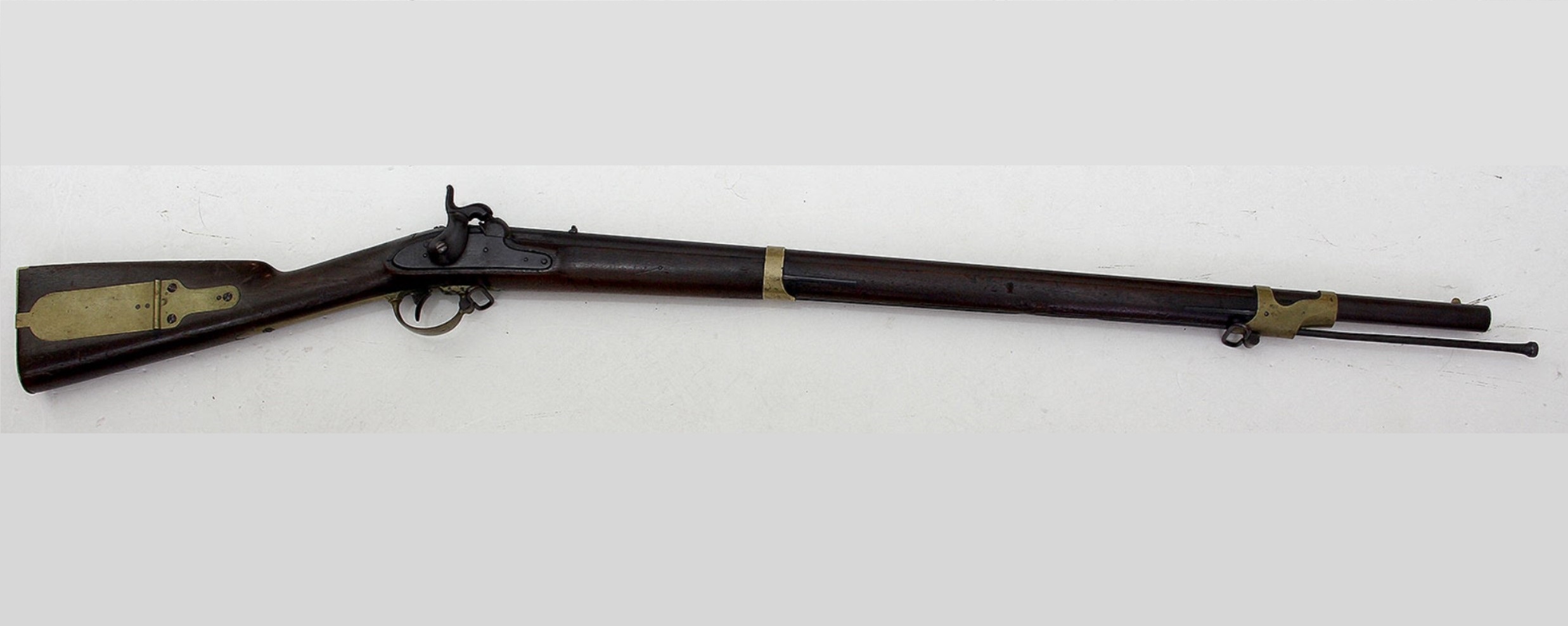
The M1841 Mississippi rifle is a muzzle-loading percussion rifle used in the Mexican–American War and the American Civil War.
The Mississippi rifle was the first standard U.S. military rifle to use a percussion lock system. Percussion lock systems were much more reliable and weatherproof than the flintlock systems that they replaced.
Civil War M1841 Rifle
Civil War Mississippi 1841 rifle that I purchased and added to my collection.
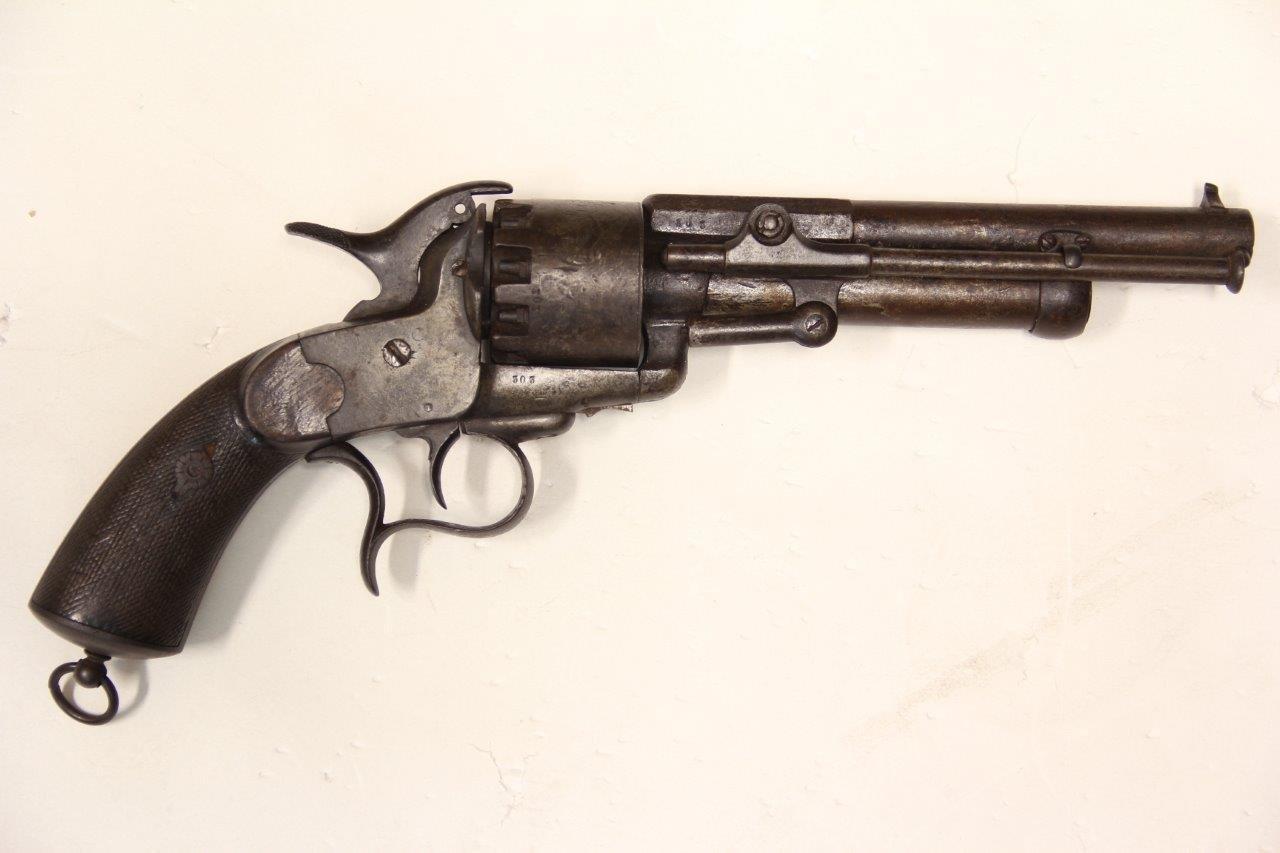
This revolver was carried by Col. Thomas T. Munford, 2nd Virginia Cavalry and made by the French for the confederacy. It's serial number is #303. There are only 60+ left in existence.
This revolver is made with a 9-shot cylinder revolves around a separate central barrel of larger caliber. The central barrel is smoothbore and can function as a short-barreled 18-guage shotgun (hence the name "Grape Shot Revolver"), with the shooter selecting whether to fire from the cylinder or the smoothbore barrel by flipping a lever on the end of the hammer.
LeMat Revolver, Serial #303
Confederate LeMat Revolver that I Purchased and added to my collection.
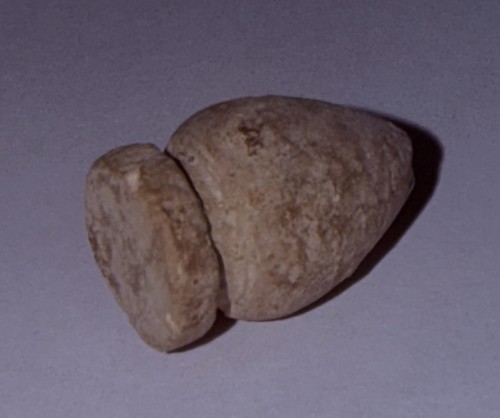
The LeMat "ball" was a .42 caliber ball used for the 9-shot cylinder.
.42 Caliber LeMat "Ball"
This "ball" was of the type that would have been used in the LeMat revolver pictured in this galery. I Purchased this and added it to my collection.
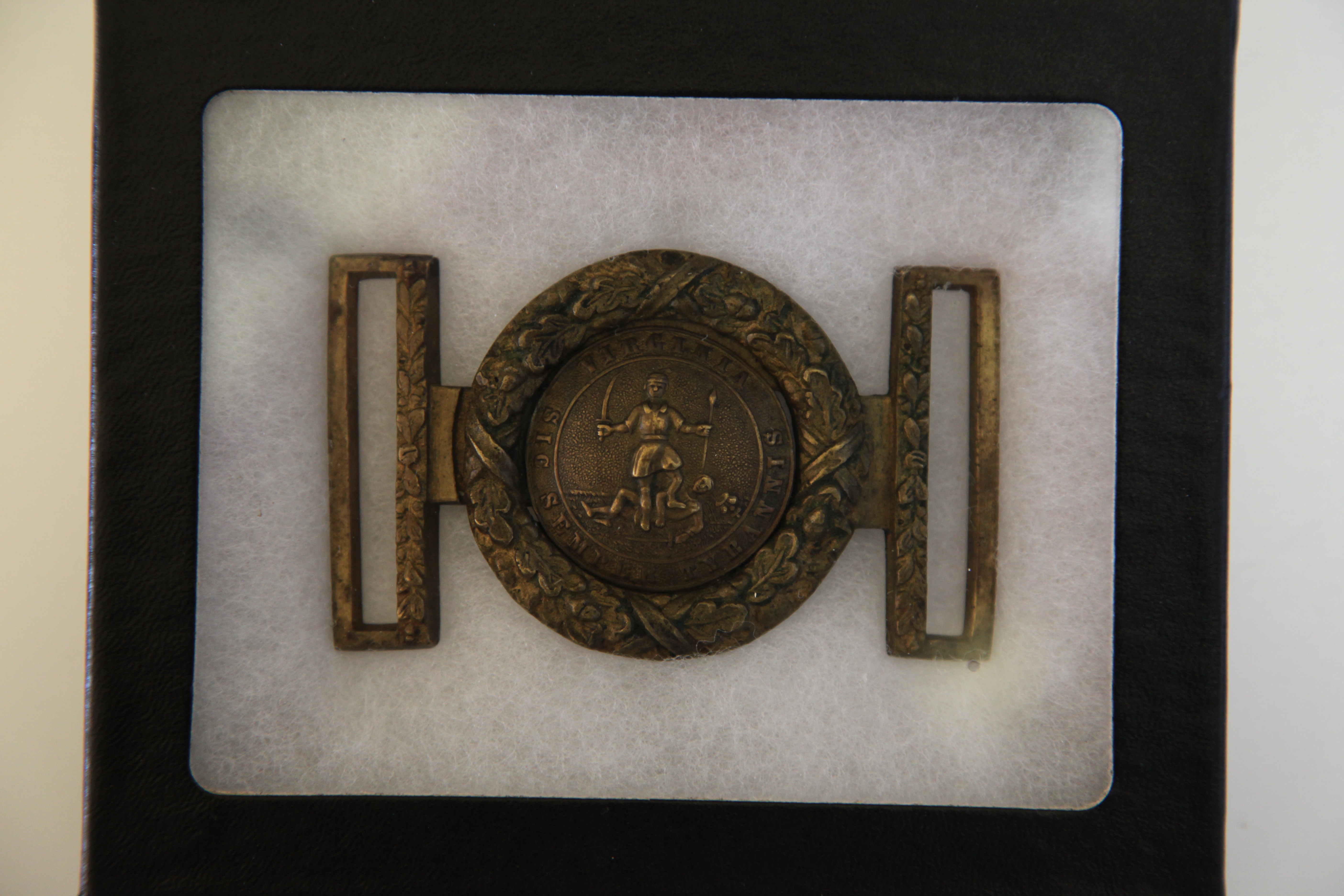
Virginia Cavalry Belt Buckle with the State Seal. Soldier atop his enemy.
Confederate Virginia Belt Buckle
CSA Virginia buckle that I Purchased and added to my collection.
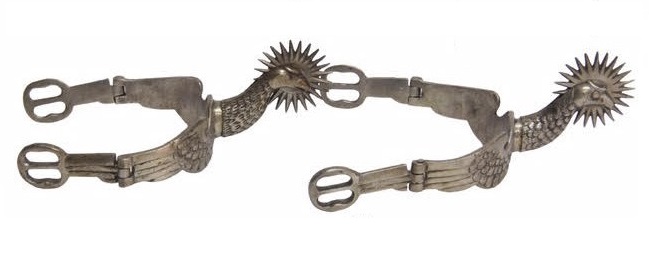
Parade Cavalry Spurs used in the War of 1812 and the Civil War.
Cavalry Spurs from Pre-Civil War
Parade Cavalry Spurs used in the War of 1812 and the Civil War that I Purchased and added to my collection.
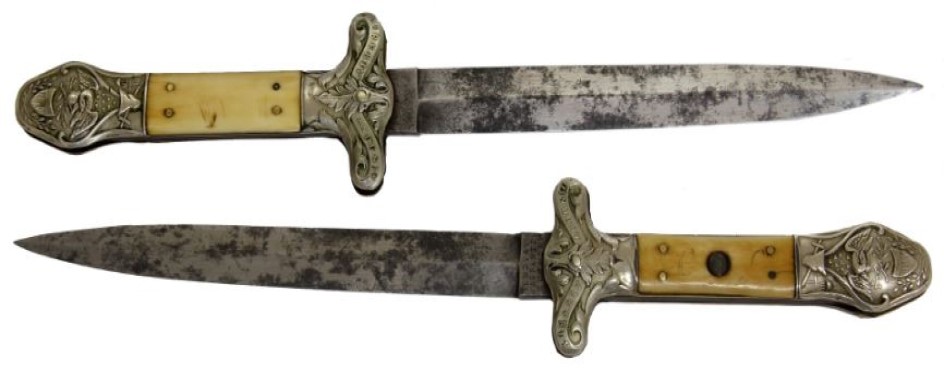
Civil War Dagger made of Bone and Silver with "LIBERTY AND UNION" on the cross guard, and bearing a liberty cap, eagle, and shield on the pommel. Signed by English maker HENRY & Co.
Civil War Dagger
Civil War Dagger that I purchased and added to my collection.

Civil War Fife. It served as a high-pitched, loud instrument to communicate officers' orders.
Civil War Fife
Civil War Fife, unknown which Army, that I Purchased and added to my collection.
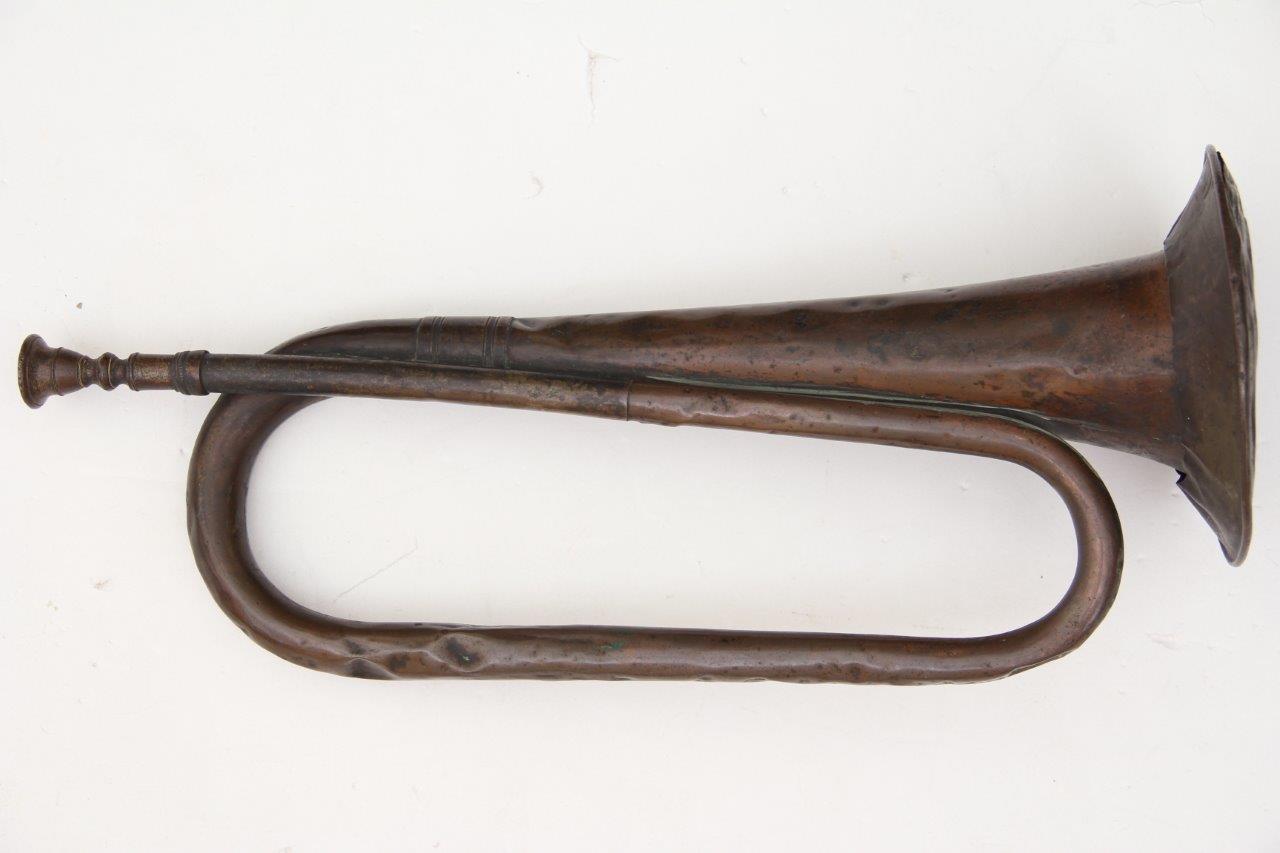
Many untrained cavalry buglers lost their front teeth if they hadn't learned the secret of riding and bugling at the same time. Thumb on your chin and hold the bugle to the side to avoid the horse's head.
I learned this from a Civil War Bugler reenactor at the 150th anniversary of the Battle at Gettysburg.
Civil War Bugle
Civil War Bugle that I Purchased and added to my collection.
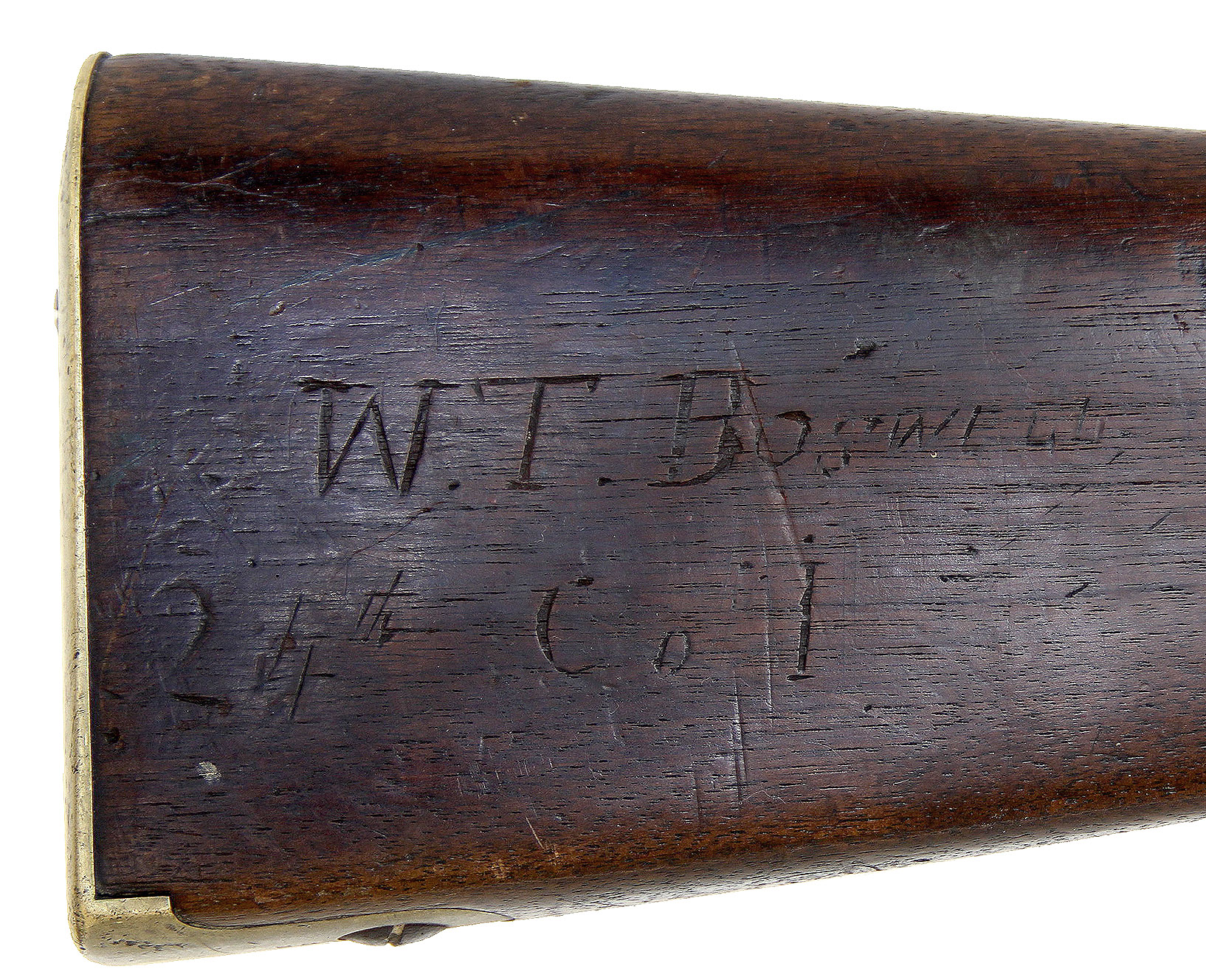
This is a closeup of the stock on my Mississippi Rifle (M1841) rifle. It was carried by Whitmel T Boswell 24th Virginia Infantry, Co I. He later carved the inscription. He was one of the 12,000 to 15,000 Confederate soldiers in Pickett's charge.
Over 6,000 Confederate soldiers became casualties (killed, wounded, or captured). He survived.
Civil War M1841 Rifle
Civil War Mississippi 1841 rifle that I purchased and added to my collection.
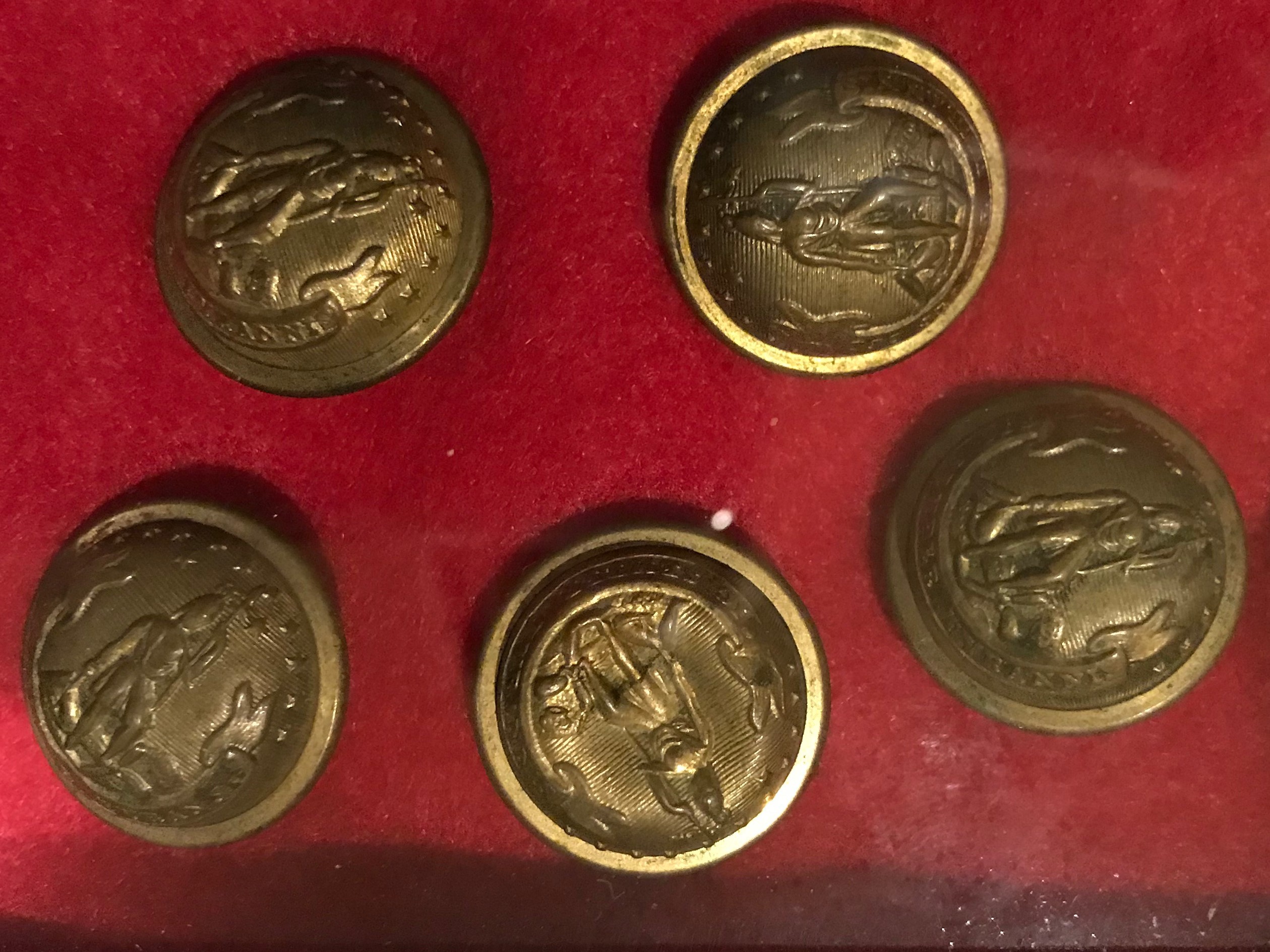
Original brass buttons from a Confederate cavalry uniform, featuring the Virginia state seal with eagle design, with the soldier with a Lance atop his enemy.
CSA Uniform Buttons
Confederate Virginia cavalry brass buttons that I Purchased and added to my collection.
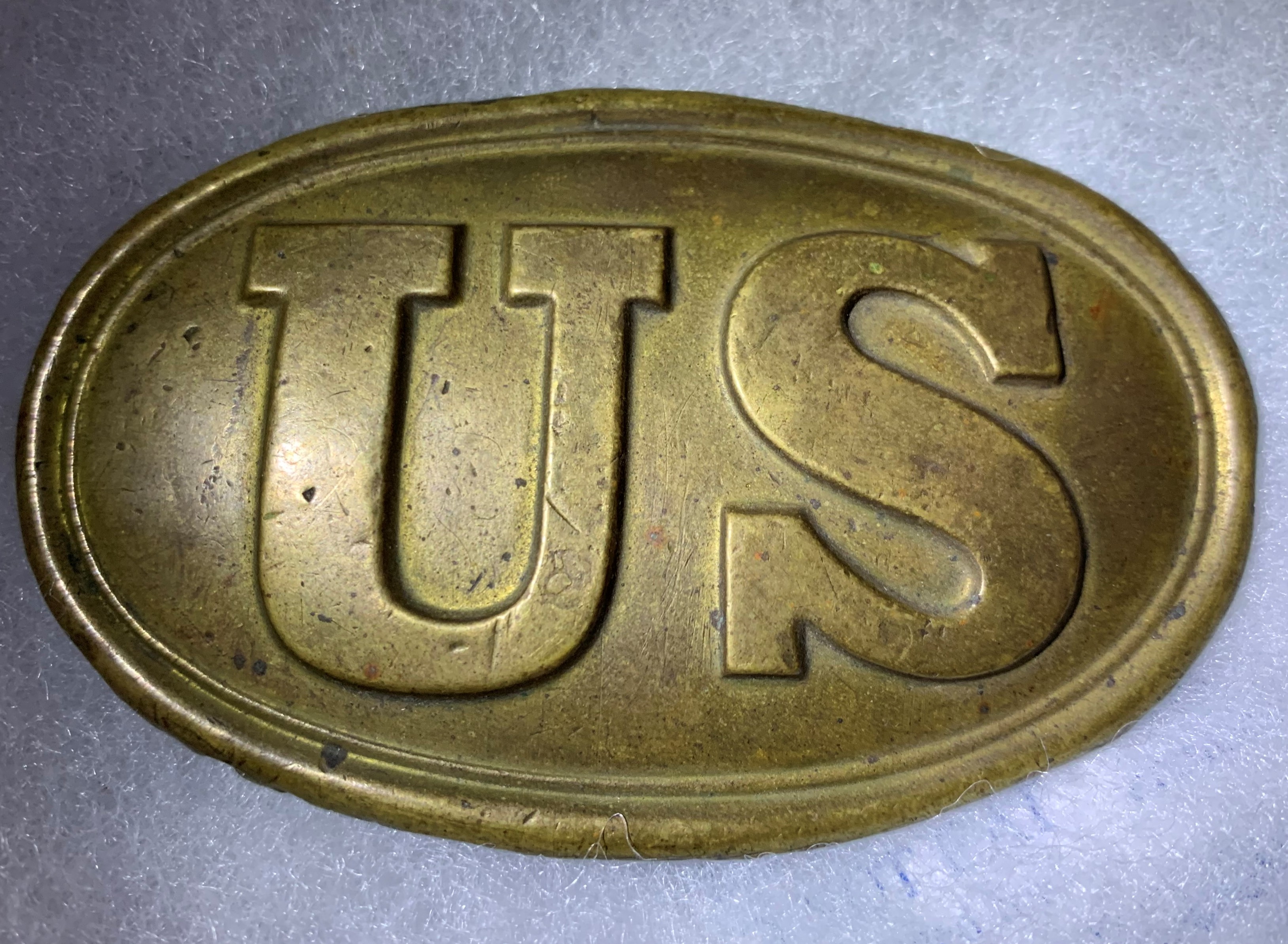
US Union Army belt buckles were primarily functional, used to secure waist belts holding essential gear like cartridge boxes, bayonets, and cap pouches, not just pants (which suspenders held up).
US Union Army belt buckle
US Union Army belt buckle that I Purchased and added to my collection.
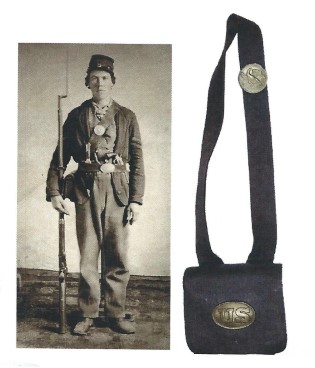
A Civil War Union cartridge box and sling was essential equipment, typically a leather box holding paper cartridges in wooden blocks for rifled muskets, with a shoulder sling used to carry it, often featuring buckles and loops for adjustment and attachment to a waist belt.
The sling threaded through loops on the box and attached to the belt, sometimes with an eagle breastplate for Union soldiers, allowing soldiers to carry ammo across the body.
Civil War Union cartridge box and sling
Civil War Union cartridge box and sling that I Purchased and added to my collection. Made in the "Watertown Arsenal 1864".
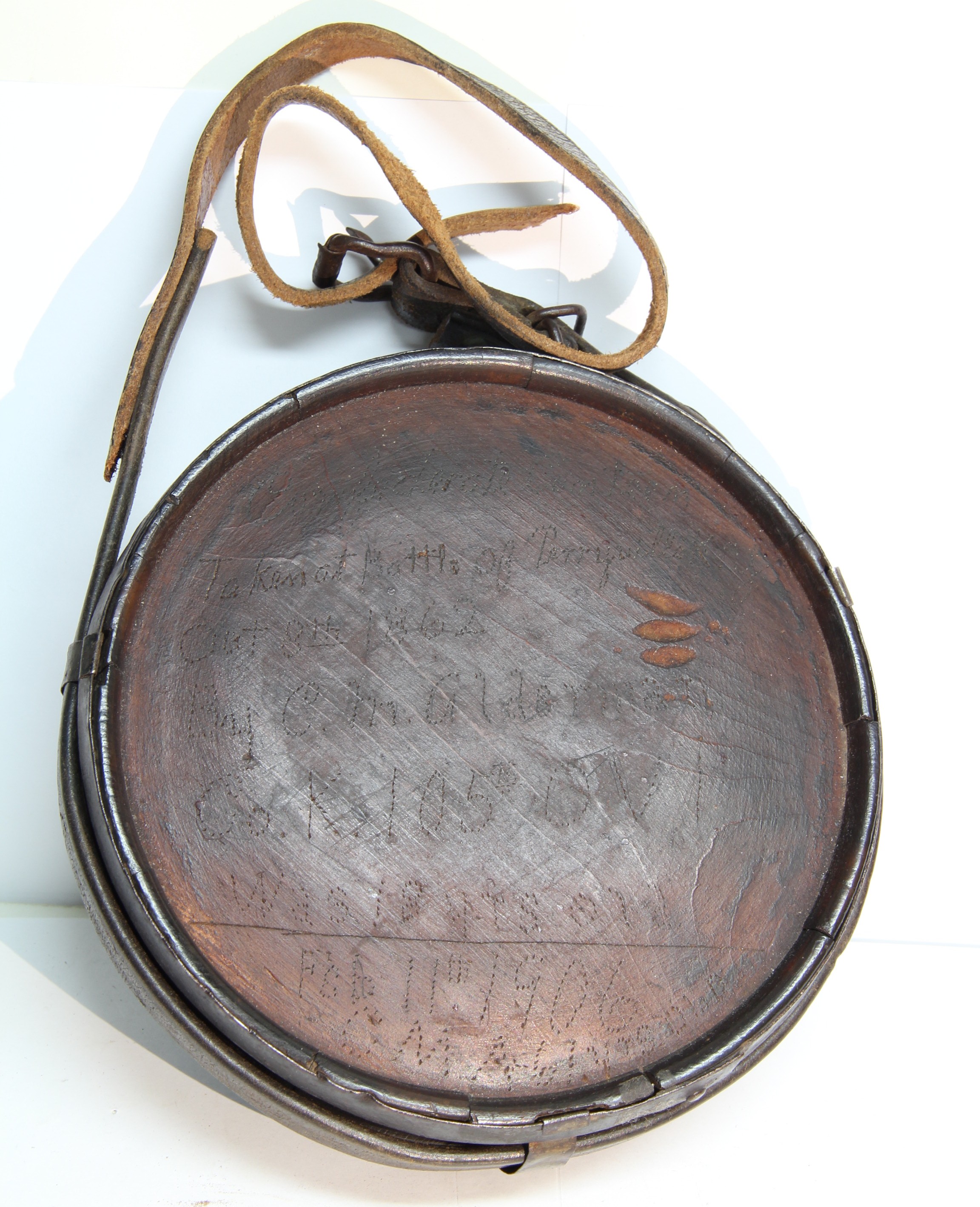
This Civil War Canteen was carried by a Confederate soldier during the Battle of Perryville, Kentucky on Oct 8th 1862. A Union soldier captured the Confederate soldier and kept the canteen.
The Union soldier was C.M. Alderman of Company K, 105th of the Ohio Volunteer Infantry. He was 18 yrs old when he fought that battle. In 1906, he would carve all the facts onto the side of the canteen.
CSA Civil War Canteen
Confederate Civil War Canteen that I Purchased and added to my collection.
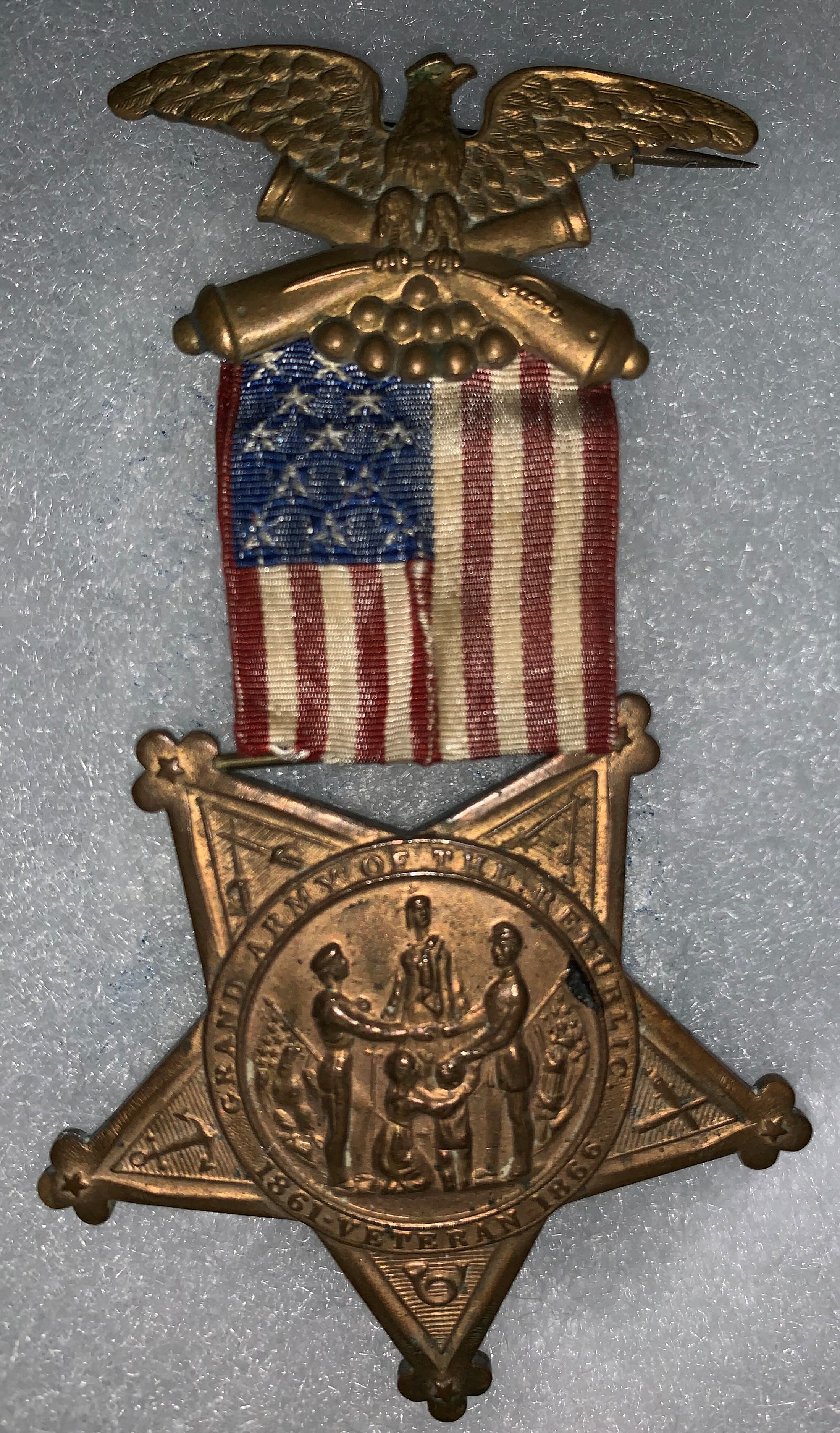
The Grand Army of the Republic (GAR) was a fraternal organization composed of veterans of the Union Army (United States Army), Union Navy (U.S. Navy), Marines and the U.S. Revenue Cutter Service who served in the American Civil War.
Founded in 1866 in Springfield, Illinois, and growing to include hundreds of posts (local community units) across the nation (predominately in the North, but also a few in the South and West), it was dissolved in 1956 at the death of its last member, Albert Woolson (1850–1956) of Duluth, Minnesota.
GAR reunion Medal
A Grand Army of the Republic (GAR) reunion medal that was awarded to a Union veteran. I Purchased it and added to my collection.
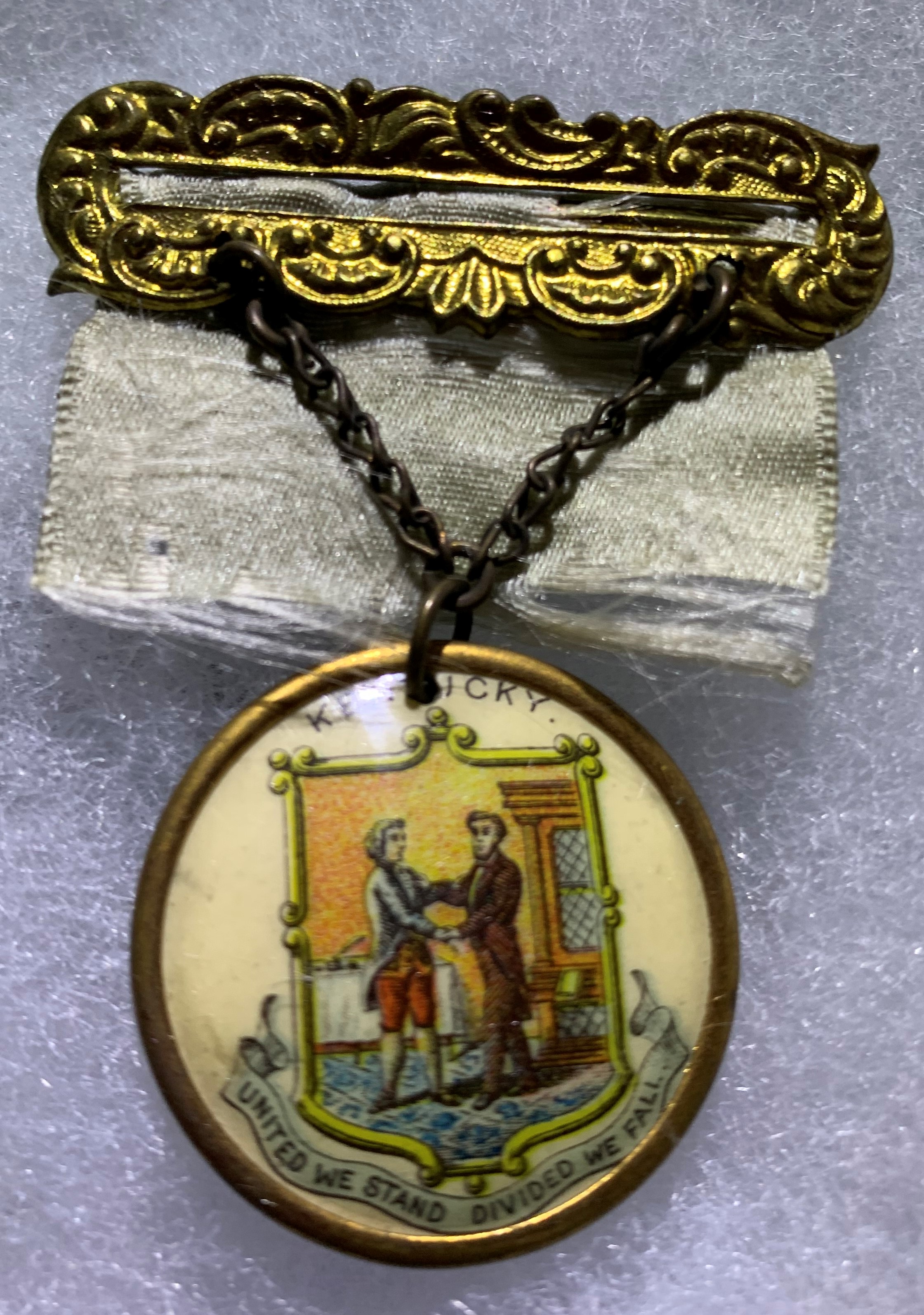
A Grand Army of the Republic (GAR) reunion medal awarded to a Union veteran from the state of Kentucky.
GAR reunion Medal for Kentucky
A Kentucky veteran's Grand Army of the Republic (GAR) reunion medal that I Purchased and added to my collection.
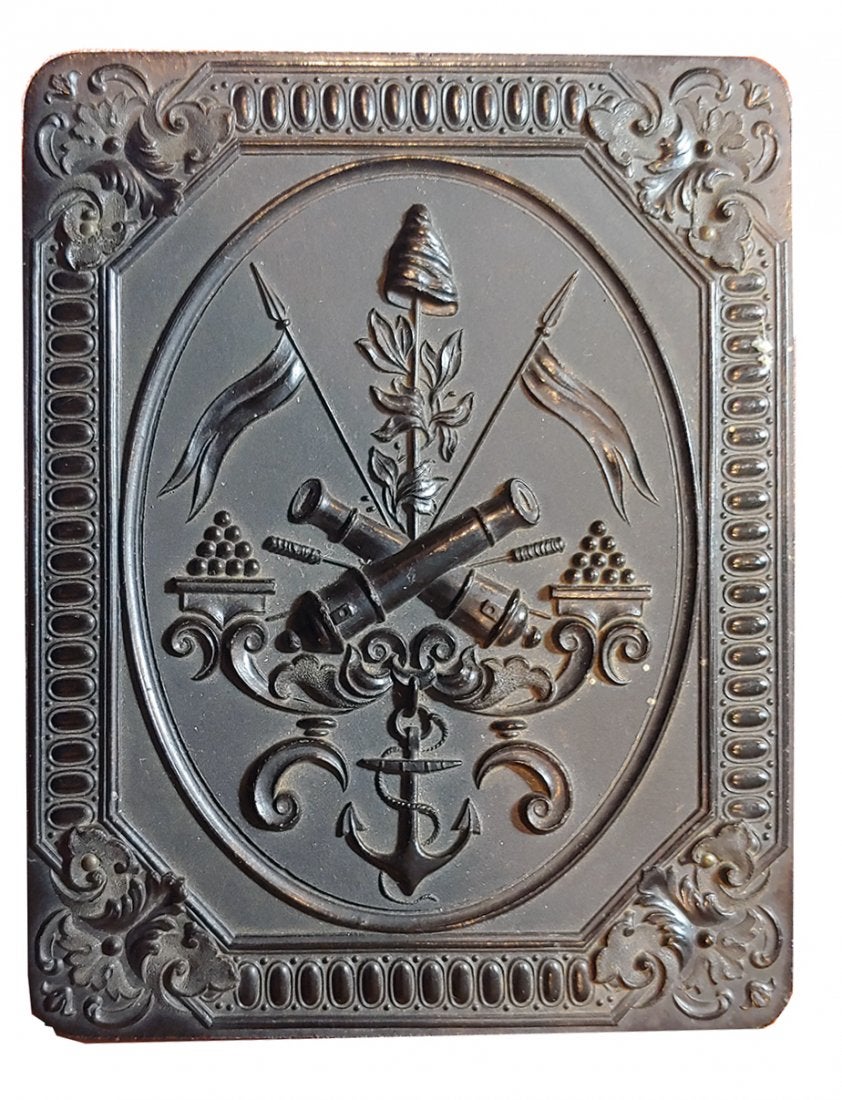
Quaterplate thermoplastic case made and marked on the interior paper by Scovill. This one was for a Union soldier, usually used for photos and important papers.
Quaterplate thermoplastic case
A Union Quaterplate thermoplastic case that I Purchased and added to my collection.
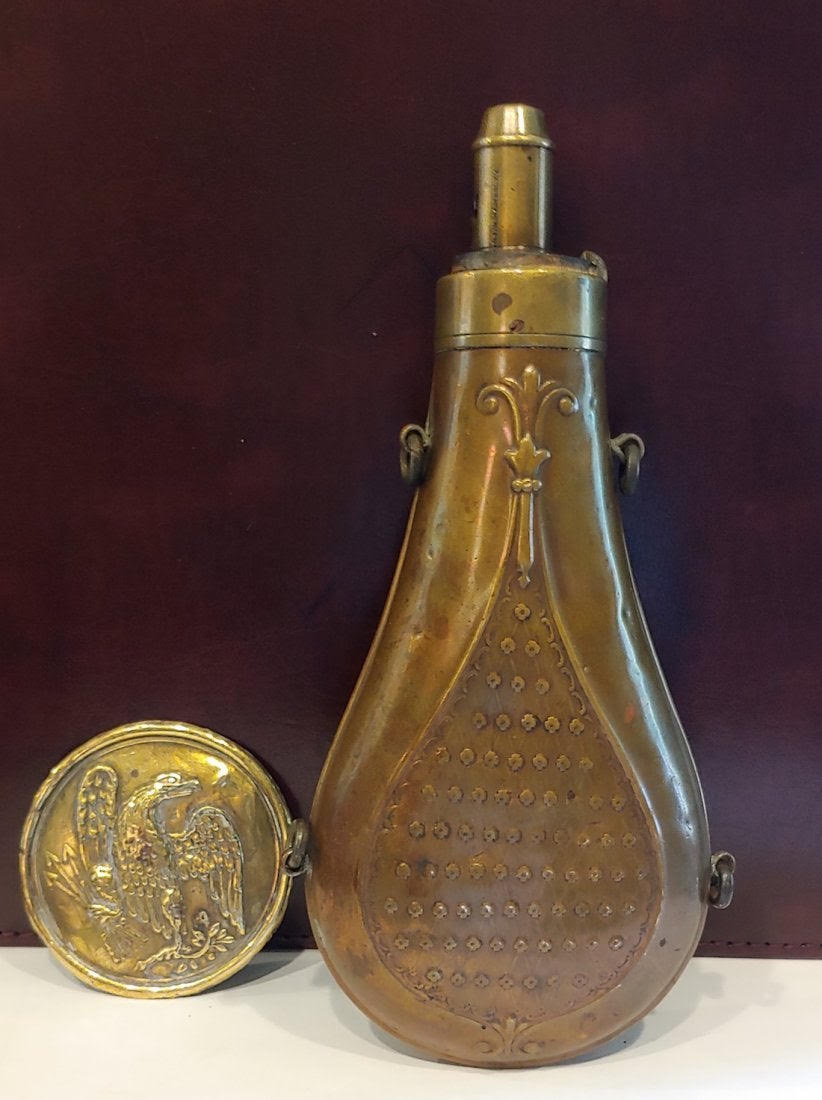
Gun Powder Flasks were portable containers, often copper, horn, or leather, used to store and dispense black powder for muzzleloading firearms, featuring built-in measuring spouts (chargers) for safety and convenience, with designs ranging from plain to elaborately embossed with patriotic or hunting scenes, essential for both soldiers and civilians using revolvers, muskets, or rifles.
Pre-Civil War Gun Powder Flask
Pre-Civil War civilian Gun Powder Flask with copper body that I Purchased and added to my collection.
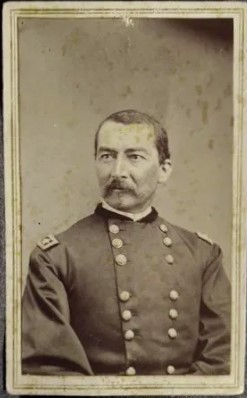
Philip Henry Sheridan was a career United States Army officer and a Union general in the American Civil War. His career was noted for his rapid rise to major general and his close association with General-in-chief Ulysses S. Grant.
General Philip Henry Sheridan
Rare portrait of General Philip Sheridan in uniform that I Purchased and added to my collection.
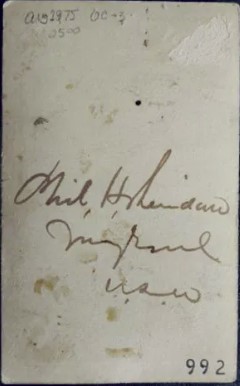
The reverse side of my General Philip Sheridan portrait with his signature and rank. The inscription reads "Phil. H. Sheridan Maj. Genl. U.S.A."
Signature of General Sheridan
The reverse side of the portrait of General Philip Sheridan that I Purchased and added to my collection.
Don Smith – My biological Mother was Kathleen Smith, her father was John Beverly Smith, son of James Washington Smith. I have previously confirmed the service in the 8th Virginia Calvary. Just curious to learn of the other siblings and family connections.