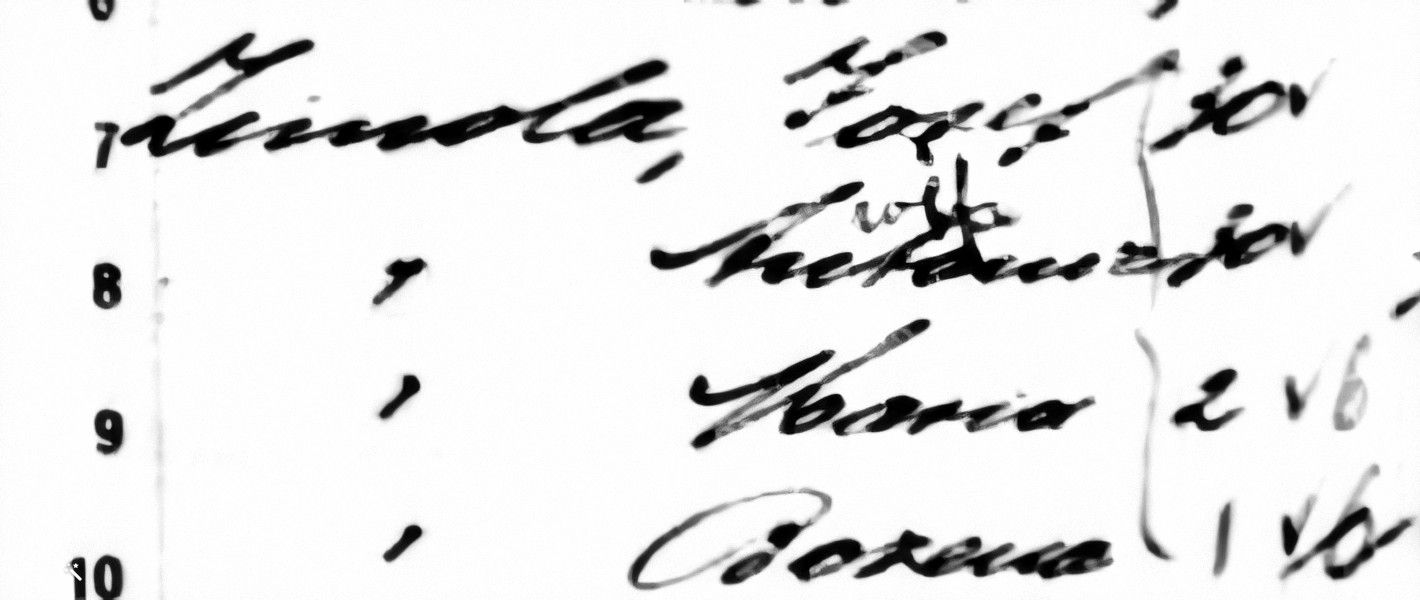
The Zimola Family Line Progenitor and Immigration
The Zimola family and our Fila ancestors were the last of the four Czech families to immigrate to America.
Name Origin
The Czech surname Zimola (and variant Zmola and Smola) is primarily a metonymic occupational name, derived from the Slavic word smola ("pitch" or "tar"). It likely referred to a person who gathered natural resins from pines and firs or a distiller/burner of pitch. It could also function as a nickname for someone with very dark hair or, rarely, a slow person.
Spellings & Pronunciations
- Czech
- Zimol, Zimola, Zimolo, Zimolag, Zimolak, Zimolage
- Feminine Version
- Zimolková
- Pronunciation
- The Czech name Zimola is pronounced as follows:
The 'Zi' sounds like 'zi' in "zipper."
The 'mo' sounds like 'mo' in "mow."
The 'la' sounds like 'vuh' in "lava."
Our grandparents and mother pronounced the 'Zi' as a long 'ee' sound as in "see."
Josef Zimola & Antonína 'Antonia' Fila
Josef Zimola and his wife Antonína 'Antonia' Fila immigrated to the United States on April 20, 1904. They arrived at Ellis Island on the fastest ship of its time, the 'Kaiser Wilhelm der Große,' with their two children: Božena 'Bessie' and Mary.
Our great-grandparents — Immigrated April 20, 1904 via Ellis Island
The Voyage to America
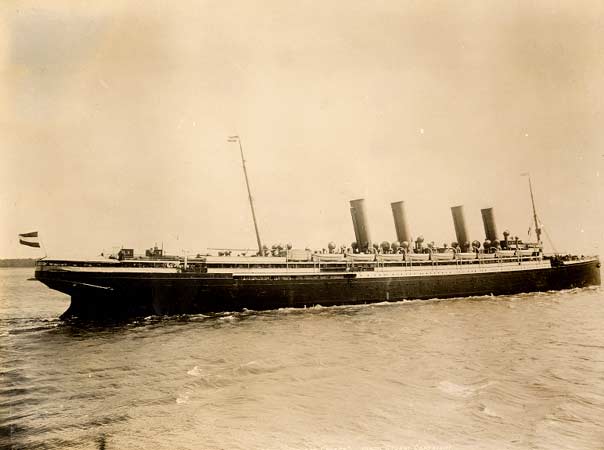
Josef & Antonína brought their two daughters — Mary, who was four and Božena, who was only two. They also brought along Antonia's mother and father —Josef Fila and Františka Kourková— our 2nd-great-grandparents. A cousin, 18-year-old Františka 'Fanny' Cíhal, joined them. Antonia's sister, Marie, and her husband, František 'Frank' Vlec, were also on the journey. They had their three sons and one daughter in tow.
When looking at the ship's manifest, it's challenging to decipher the name of which relative or friend in America they listed as their American contact. It seems like it was an uncle of Mary Fila's husband — Frank Vlec — who lived in Wahoo, Nebraska.
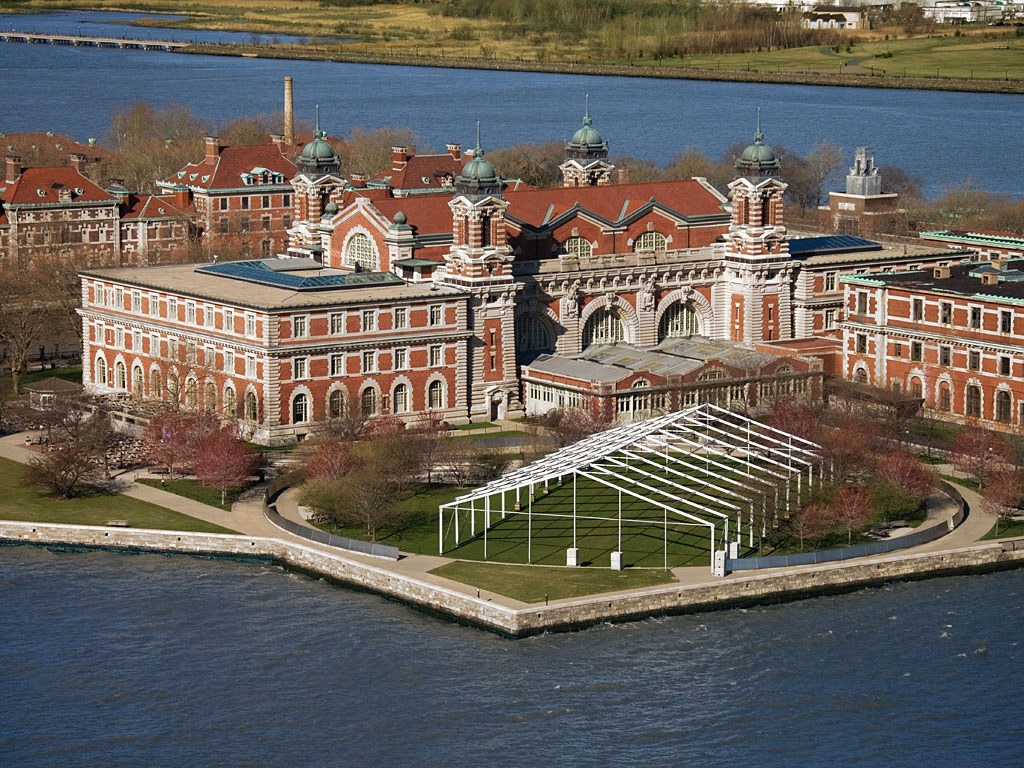
The Zimolas bought their first farm and settled near Cedar Bluffs in Saunders County, Nebraska. They began the task of learning the language, customs and laws of their new home.
Five years after arriving in America, Josef and Antonia had their third and last daughter, Anna. Unfortunately, Anna only lived for 18 months. I don't ever recall my grandmother or mom ever mentioning what she died from.
Antonia died at 61, and Josef lived alone on his farm for another 25 years. The tragic story of his death and the loss of most of the Zimola heirlooms in a mysterious Zimola house fire.
Our Ancestors
Our Zimola ancestors and their relatives came from Moravia and settled in Nebraska in 1904.
Moravia - Třebíč
- Bransouze
- Přibyslavice
Nebraska
- Cedar Bluffs
- Wahoo
- Omaha
SS Kaiser Wilhelm der Große
The fastest ocean liner of its time and holder of the Blue Riband
A German Superliner
The SS Kaiser Wilhelm der Große was a German transatlantic ocean liner named after Emperor Wilhelm I, the first head of state of the German Empire. The liner was constructed in Stettin for the North German Lloyd (NDL) and entered service in 1897. It was the first liner to have four funnels and is considered to be the first-ever superliner. She marked the beginning of a change in how maritime supremacy was demonstrated in Europe at the beginning of the 20th century.
In March 1898, she successfully gained the Blue Riband with an average crossing speed of 22.3 knots (41.3 km/h; 25.7 mph), thus establishing the new German competitiveness. The Blue Riband is an award given for the fastest crossing of the North Atlantic.
The SS Kaiser Wilhelm der Grosse was designed to carry a maximum of 1,506 passengers (206 first, 226 second, and 1,074 third class) with a crew of 488, totaling nearly 2,000 people on board. Following a 1913 refit, crew accommodations were expanded to 800 to support higher service standards.
Though we can all thank the SS Kaiser Wilhelm der Große for delivering our ancestors safely to America, it did not end well for her.
SS Kaiser Wilhelm der Große VideoThe Battle off Rio de Oro
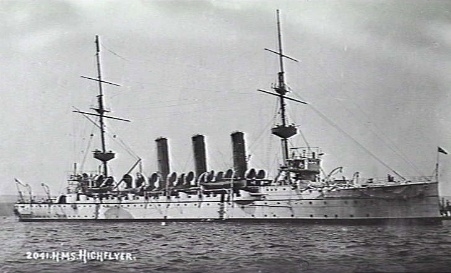
Under the command of Max Reymann, the German ship SS Kaiser Wilhelm der Große was requisitioned for service at the outbreak of World War I and fitted with six 4-inch guns and two 37-millimeter guns. It was renamed the SMS Kaiser Wilhelm der GroßeThe German vessel set steam for a commerce raiding mission in the Atlantic Ocean.
Commanded by Henry T. Buller, the British ship HMS Highflyer was a protected cruiser built in 1898 with eleven 6-inch guns, nine 12-pounder guns, six 3-pounder guns, and two torpedo tubes. She had been detached to support the 5th Cruiser Squadron in hunting the German raider.
The battle off Rio de Oro on 26 August 1914 began when the German raider SMS Kaiser Wilhelm der Große was caught by surprise in a harbor, taking on coal from three German and Austrian colliers. Highflyer, badly outgunning the German auxiliary cruiser, first demanded surrender, but the German commander argued that the British had violated Spain's neutrality.
The British disregarded this because the Germans had already violated Spain's neutrality by taking over a week to resupply in a neutral port. The battle ran from 15:10 to 16:45 and the two ships bombarded each other, sometimes dodging the shots. Eventually, the SMS Kaiser Wilhelm der Große exhausted her ammunition and began to flee the battle. Now out of ammunition, running from several larger guns, the crew scuttled their ship and abandoned her to the Atlantic.
The German sailors made it to shore and escaped into the Saharan Desert.
SS Kaiser Wilhelm Info HMS HighflyerF. Missler Ticketing Agent
The ticketing agent used by Josef Zimola to purchase passage to America
This item was typically given to third-class emigrants to hold their documents and tickets.
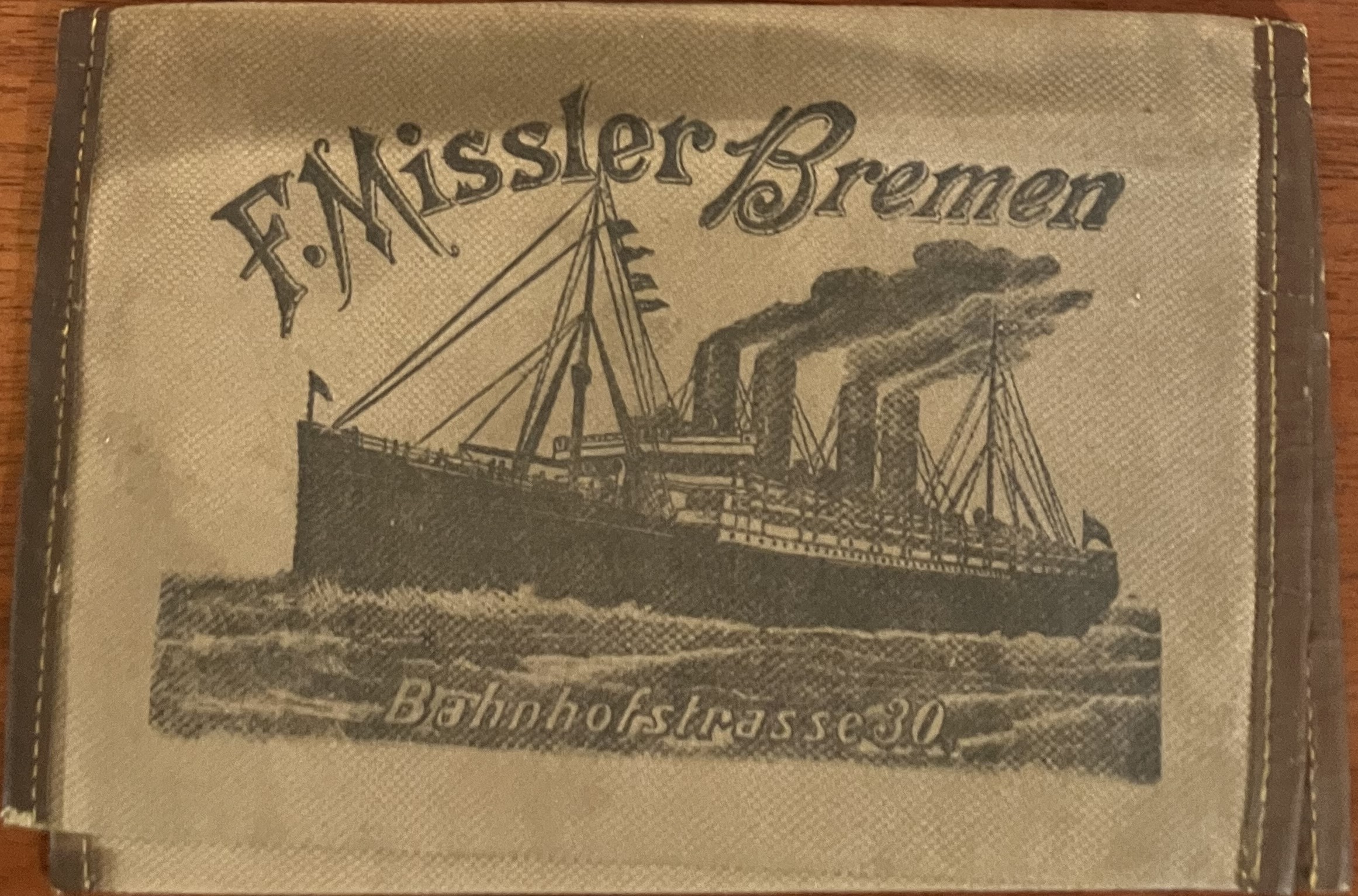
F. Missler Bremen Wallet, Bahnhofstrasse 30 — Bahnhofstrasse 30 is the address of the ticket office.
Ticket Wallet
The outside of the Ticket Wallet provided by the ticket agent, F. Missler Bremen.
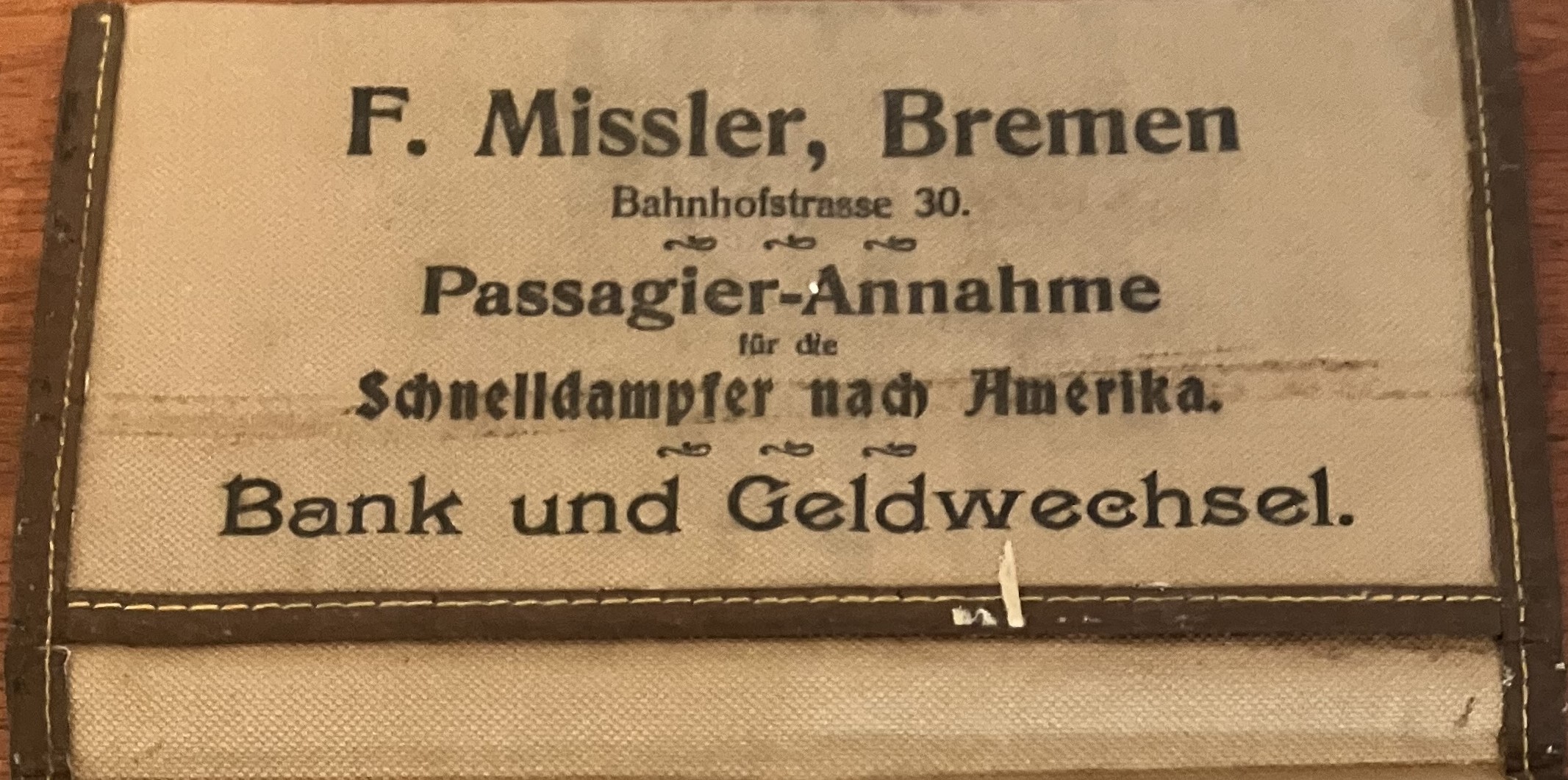
Passagier-Annahme für die Schnelldampfer nach Amerika, translates to "Passenger Booking (or Reception) for Fast Steamers to America"
Bank und Geldweehsel, translate to "Bank and Currency Exchange"
Ticket Wallet
The inside of the Ticket Wallet provided by the ticket agent, F. Missler Bremen.
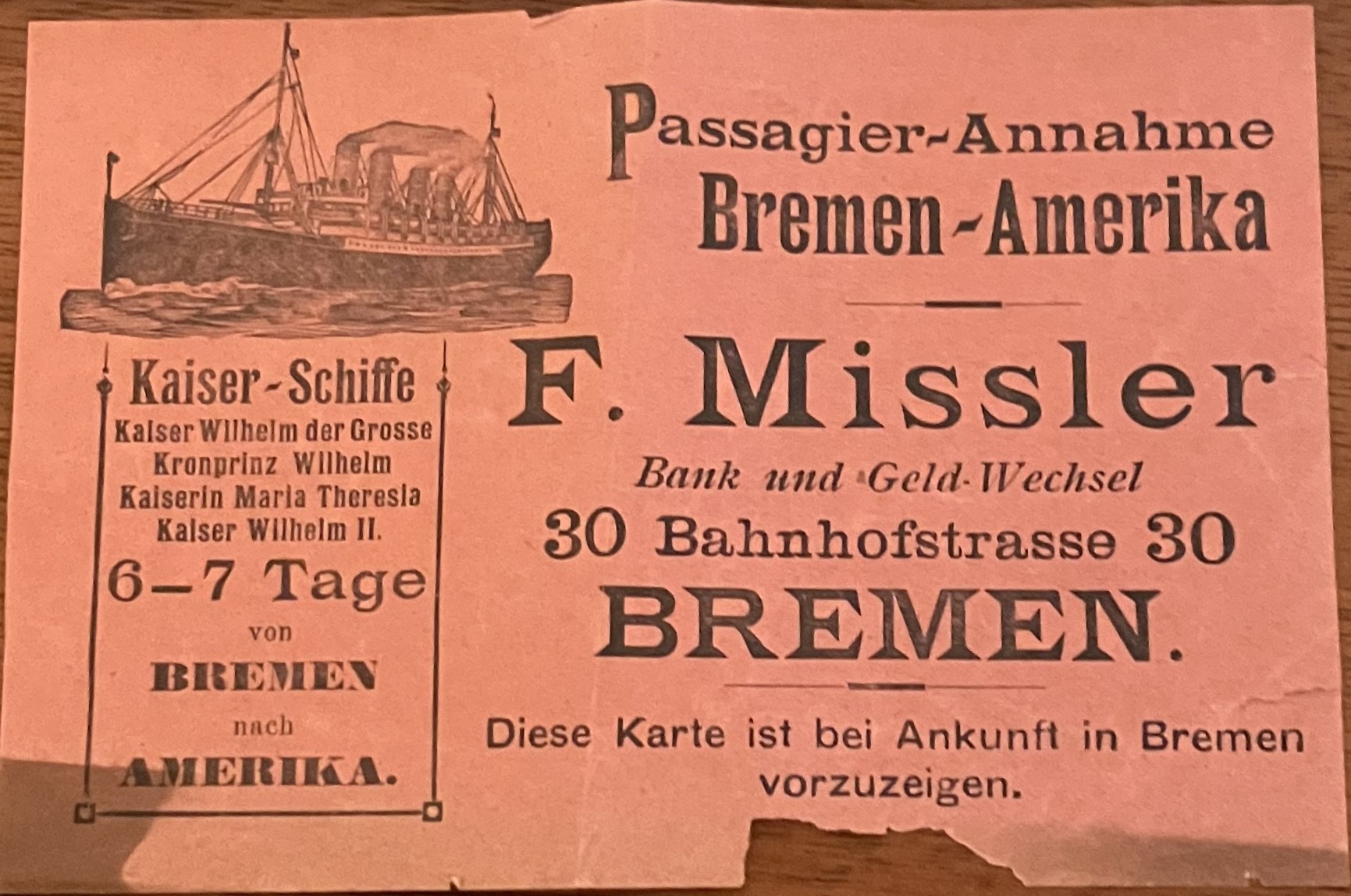
Kaiser-Schiffe, translates to "Kaiser Ships" — referring to a class of North German Lloyd express ocean liners — and SS Kaiser Wilhelm der Grosse is of course the name of the ship the Zimola and Fila families were taking.
The additional three listed were other Steamliners in the North German Lloyd fleet.
6-7 Tage von BREMEN nach AMERIKA., translates to "6-7 Days from BREMEN to AMERICA."
Ticket Front
The front of the ticket used by the Zimola and Fila families. Bremen.
Multi-Language Instructions
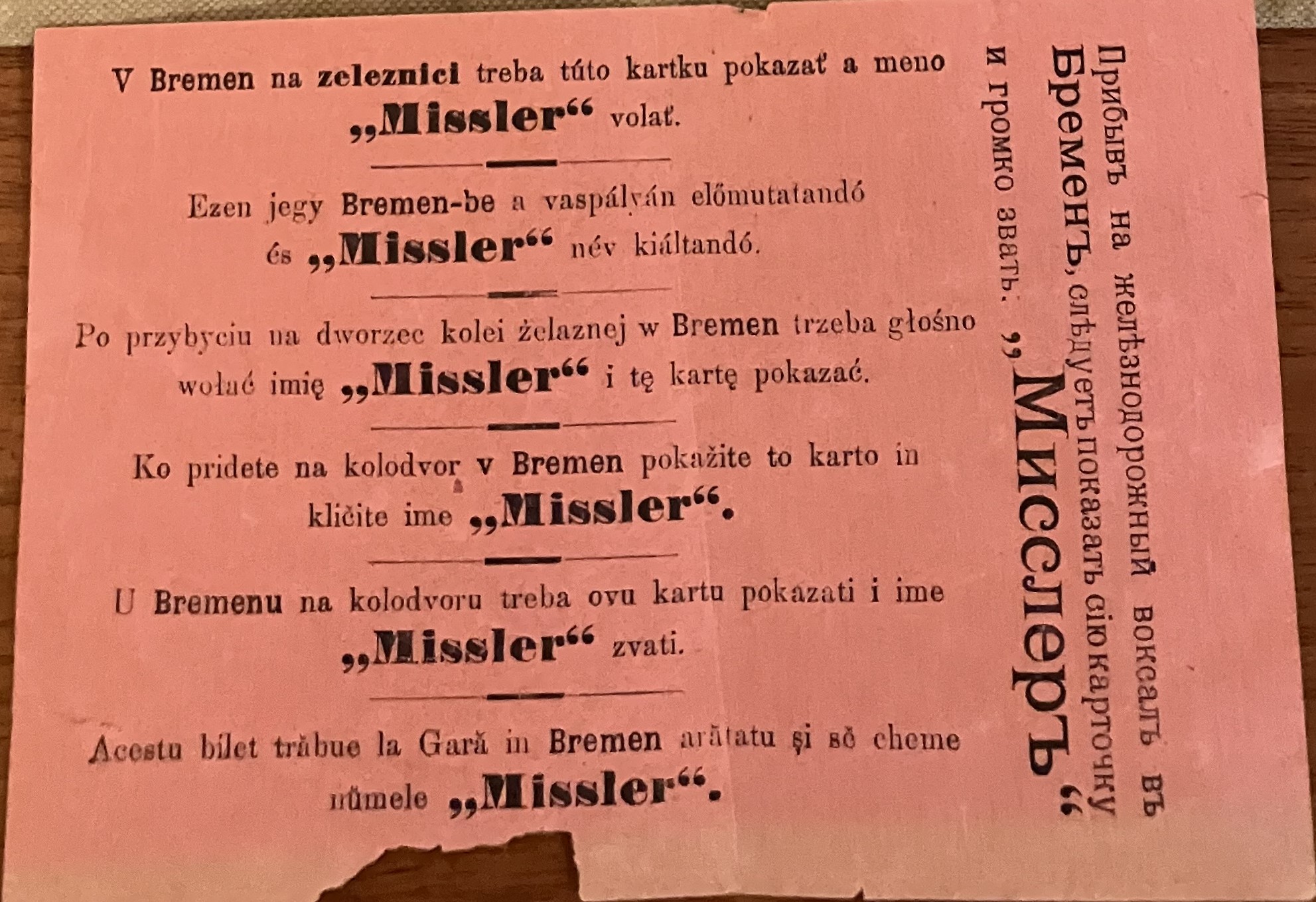
- Russian
- Прибывь на железнодорожный воксаль вь бремень, сльдуеть показать сю карточку
- Arrive at the railway station in Bremen, you must show this card
- Slovakian
- V Bremen na zelezniel treba túto kartku pokazať a meno Missler volať
- In Bremen, you have to show this card and call the name Missler
- Hungarian
- Ezen jegy Bremen-be a vaspálván előmutatandó és Missler név kiltándó.
- This ticket to Bremen must be presented at iron pole and name Missler must be given.
- Polish
- Po przybyciu na dworzec kolei żelaznej w Bremen trzeba głośno wolać imię Missler i tę kartę pokazać.
- When you arrive at the Bremen railway station, you must call out the name Missler loudly and show this card.
- Slovenian
- Ko pridete na kolodvor v Bremen pokažite to karto in kličite ime Missler.
- When you arrive at the train station in Bremen, show this card and call the name Missler.
- Croatian
- U Bremenu na kolodvoru treba ovu kartu pokazati i ime Missler zvati.
- In Bremen, at station, this card must be shown and the name Missler must be called.
- Romanian
- Acestu bílet trăbue la Gară in Bremen arătatu şi sč cheme nůmele Missler.
- This ticket is valid at the train station in Bremen, show the name Missler.
Immigration Inspection Card
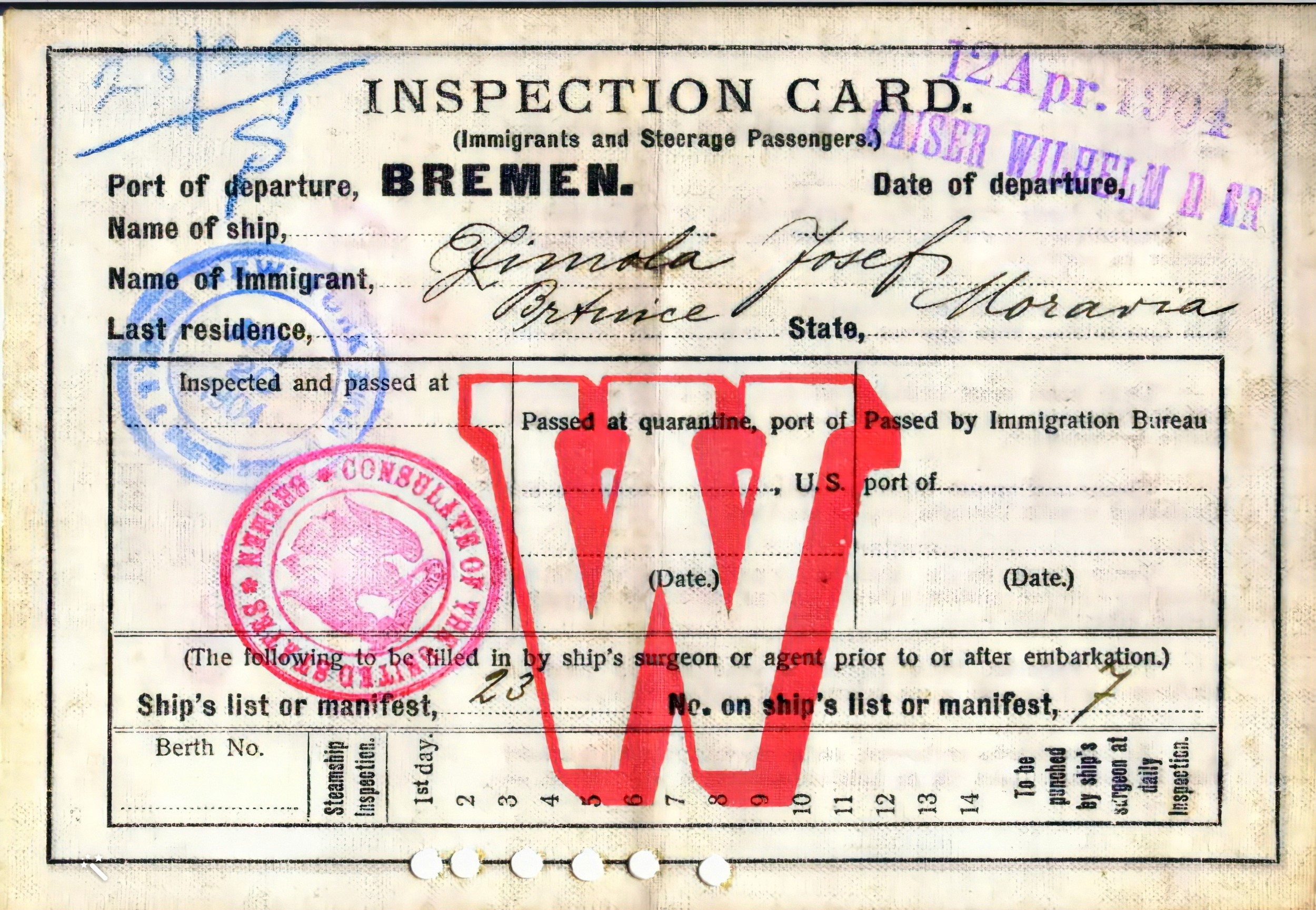
The inspection card shows Josef Zimola's immigration details:
Port of departure Bremen
Name of ship SS Kaiser Wilhelm der Große
Date: 12 Apr 1904
Name of Immigrant: Zimola Josef
Last residence: Brtnice, Moravia
The card includes daily health inspection stamps over the voyage and the large "W" stamp indicating passage
on the SS Kaiser Wilhelm.
Wreck of the SMS Kaiser Wilhelm der Große
The ship now rests on the ocean floor off the coast of Morocco.
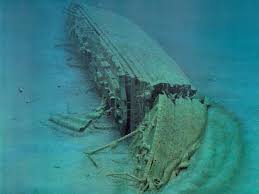
The wreck of the SMS Kaiser Wilhelm der Große has been dived on many times. The image above shows the wreck on the sea floor. It lies off the coast of Morocco.
1880's SS Kaiser Wilhelm der Große Souvenirs and Artifacts in my collection.
A metal plate was retrieved during a dive of the SMS Kaiser Wilhelm der Große that I acquired.
Additional SS Kaiser Wilhelm der Große artifacts I acquired.
Miniture Pewter Replica of the SS Kaiser Wilhelm der Große is
about 3" long. This is a Miniture Pewter Replica of the SS Kaiser Wilhelm der Große
purchased
by a passenger in the early 1900s. This is a sterling silver and enamel spoon purchased by a passenger on the SS Kaiser Wilhelm der Große in the late 1800s. Sovenir spoon that a passenger could purchase while onboard the ship.
This is a sterling and enamel silver spoon purchased by a passenger on the SS Kaiser Wilhelm der Große in the late 1800s. Sovenir spoon that a passenger could purchase while onboard the ship.
1897 cover of the Scientific American featuring the SS Kaiser Wilhelm
Der Grosse. A great article published in 1897 about the technology behind the World's
faster ship.
This is a postcard purchased by a passenger on the SS Kaiser Wilhelm
der
Große in the June of 1904. This would have been only six weeks after the Zimola and Fila
families were onboard for their journey to America. The purchaser wrote: "I am going to be an Artist. Love from Walter. I will write to mother." It was
sent to a Dublin, Ireland. A postcard that a passenger purchased and sent while onboard the ship. This is a postcard purchased by a passenger on the SS Kaiser Wilhelm
der Große in May of 1905. Since it was sent to the daughter of the postcard author in
Baltimore Maryland, it can be assumed that this passenger was on an Eastbound voyage. Though a bit hard to read the handwritng — even using AI — I believe the purchaser wrote: "Little daughter - I had no time for a leter. So excuse me. Many
kisses." A postcard that a passenger purchased and sent while onboard the ship. This is a photo of the SS Kaiser Wilhelm der
Große after it was converted by the German Navy to an Auxilary Cruiser in August of 1914.
Renamed
SMS Kaiser Wilhelm der
Grosse, the former passenger vessel was painted in camouflage gray and black, and armed with cannons
to raid Allied merchant shipping. It captured or sank several ships in the Atlantic before being
sunk. See the story above.
A photo shortly before her sinking by the British Navy during WWI.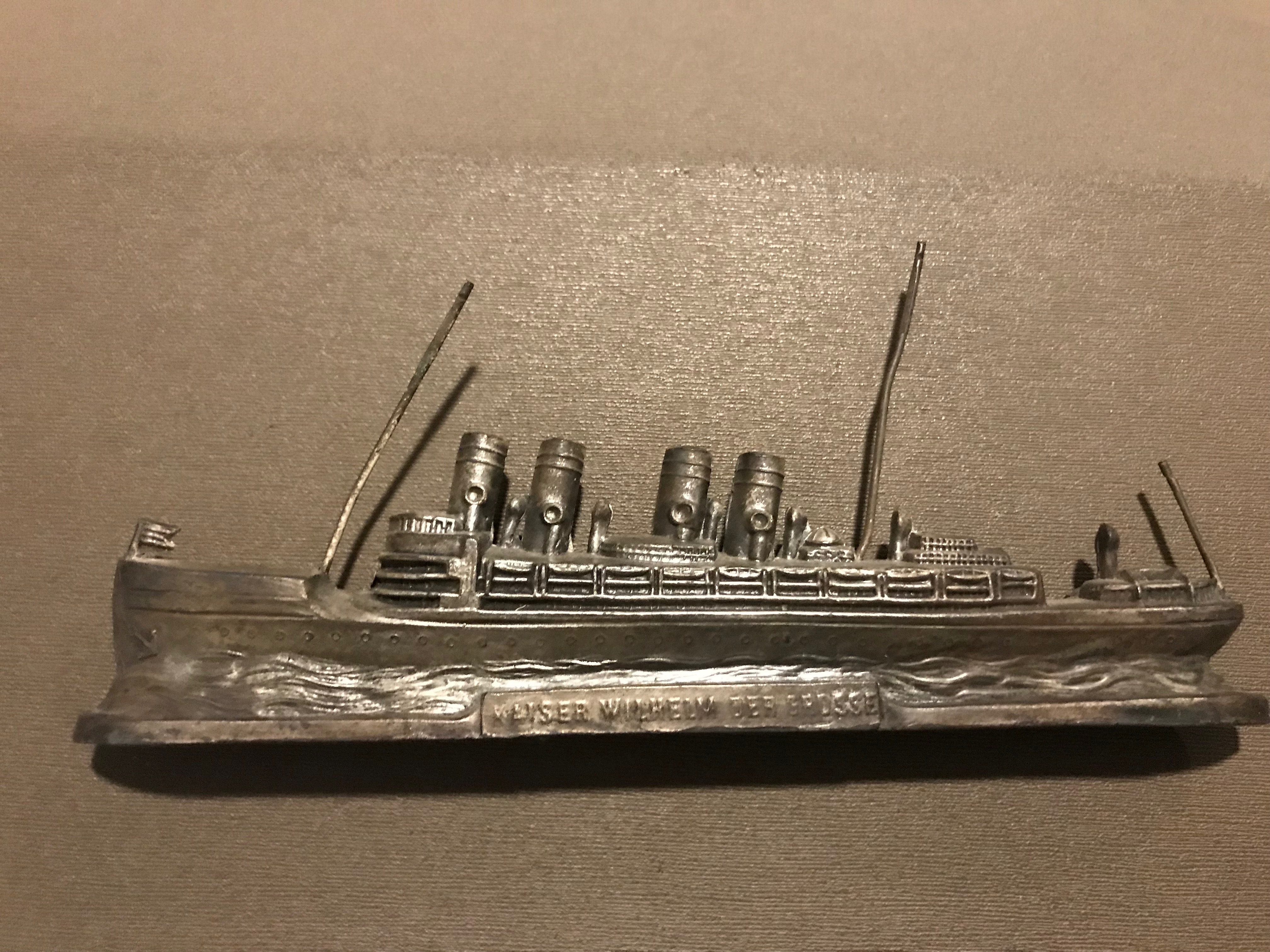
Child's sovenir toy
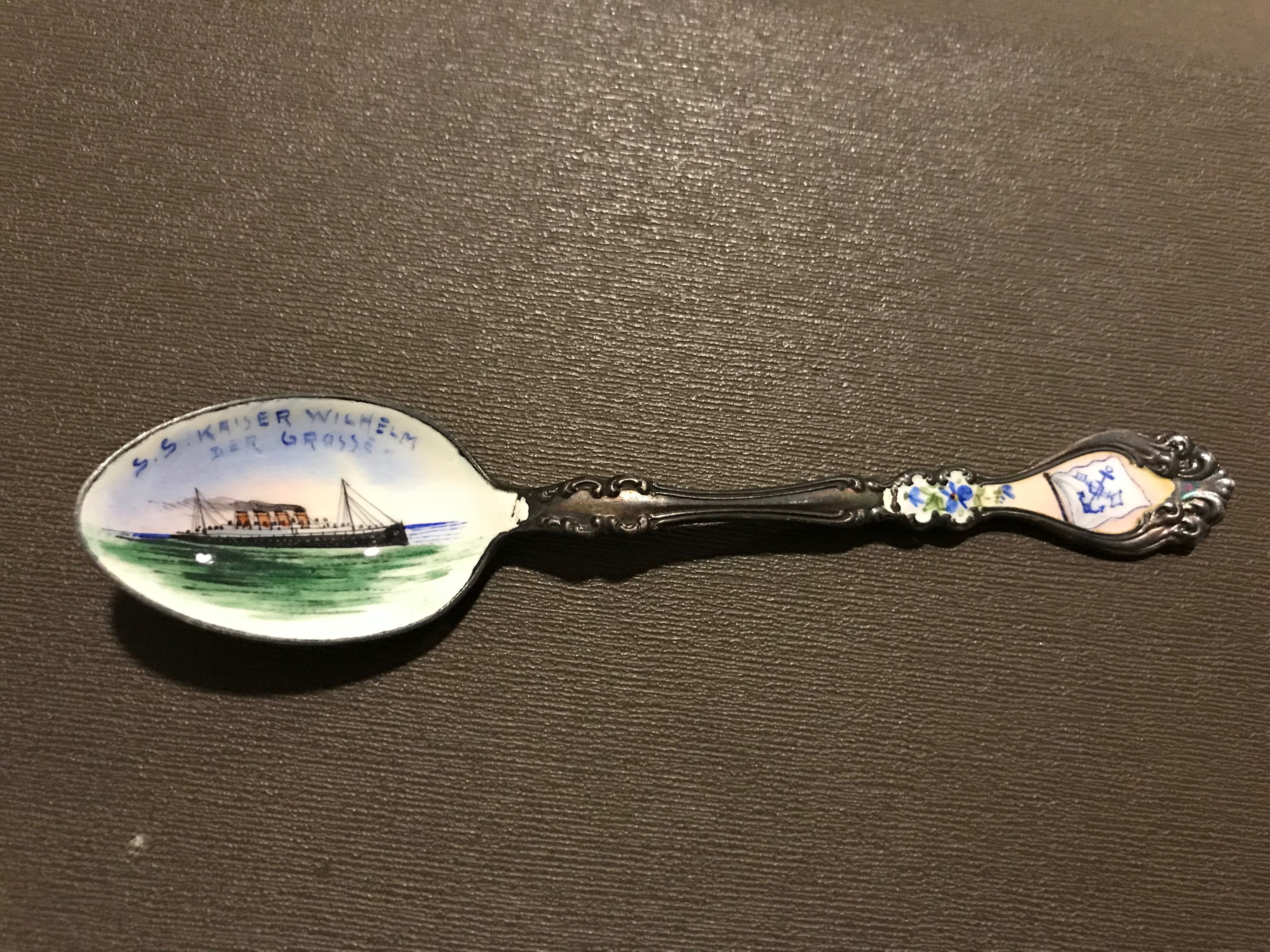
Silver and Enamel Spoon
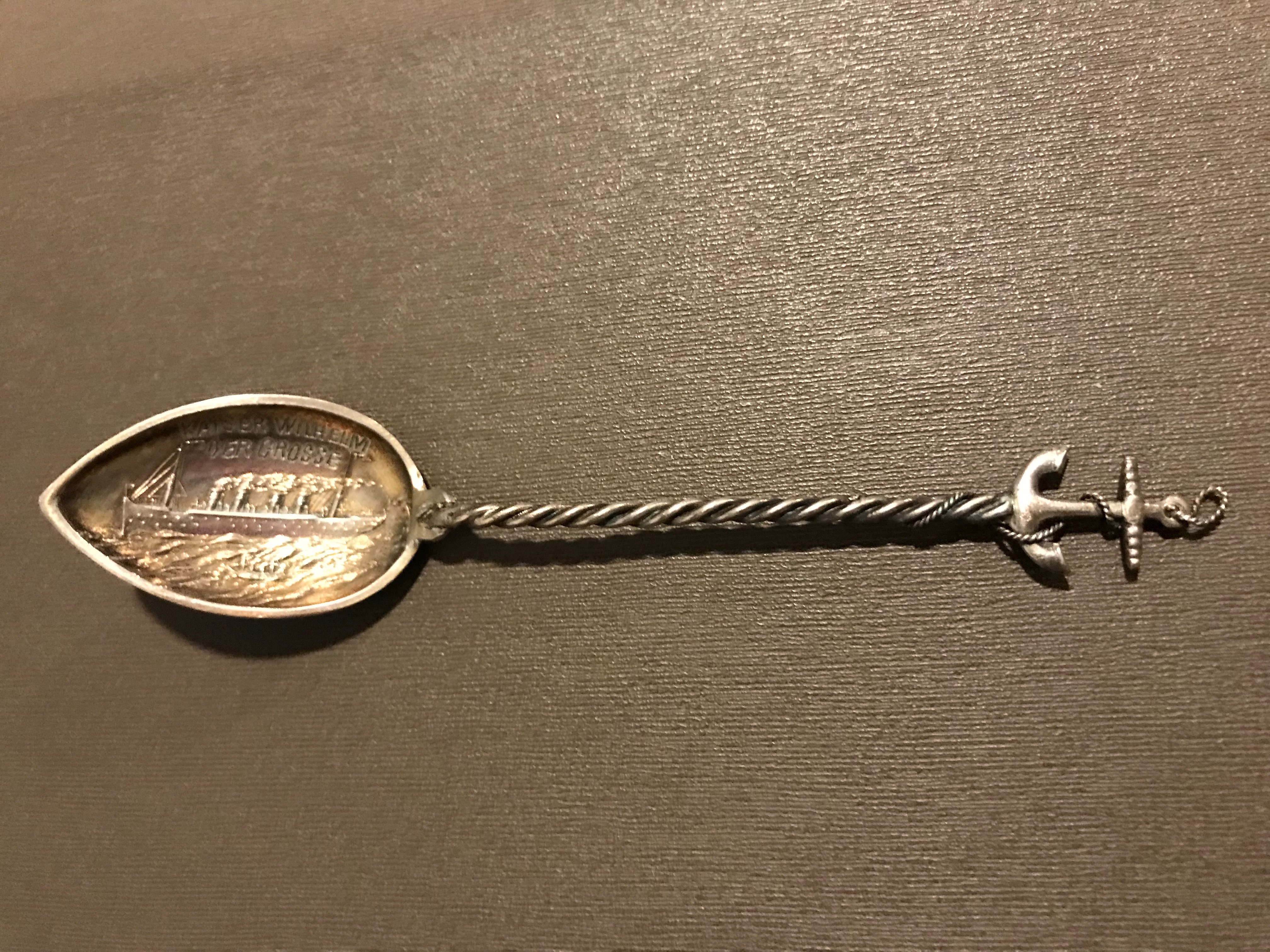
Silver Spoon
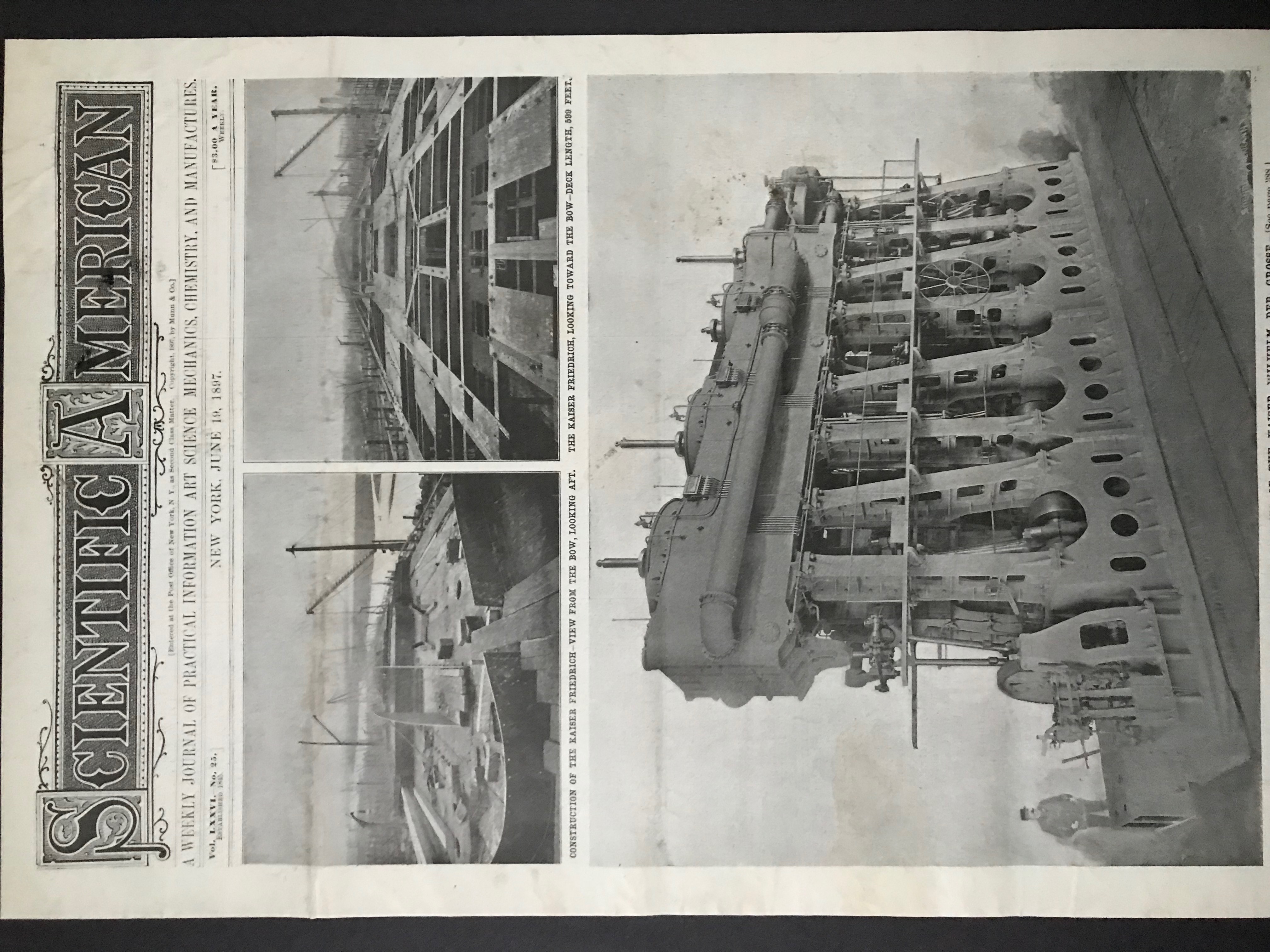
Scientific American Cover
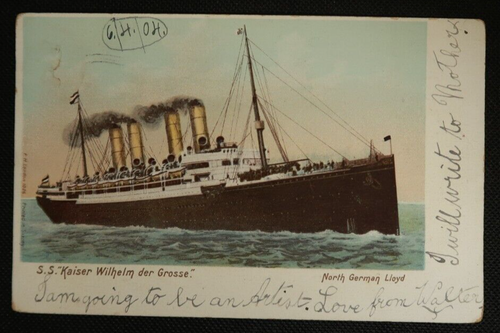
1904 Postcard
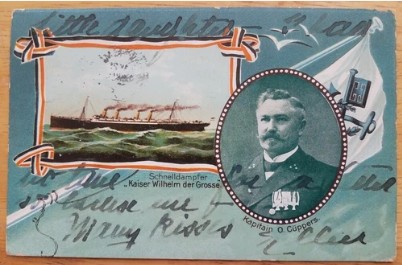
1905 Postcard
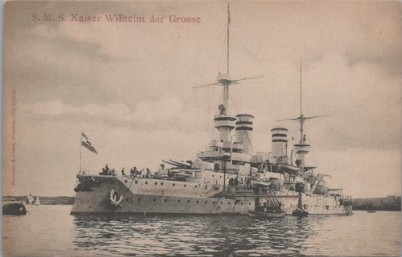
SMS Kaiser Wilhelm der Große
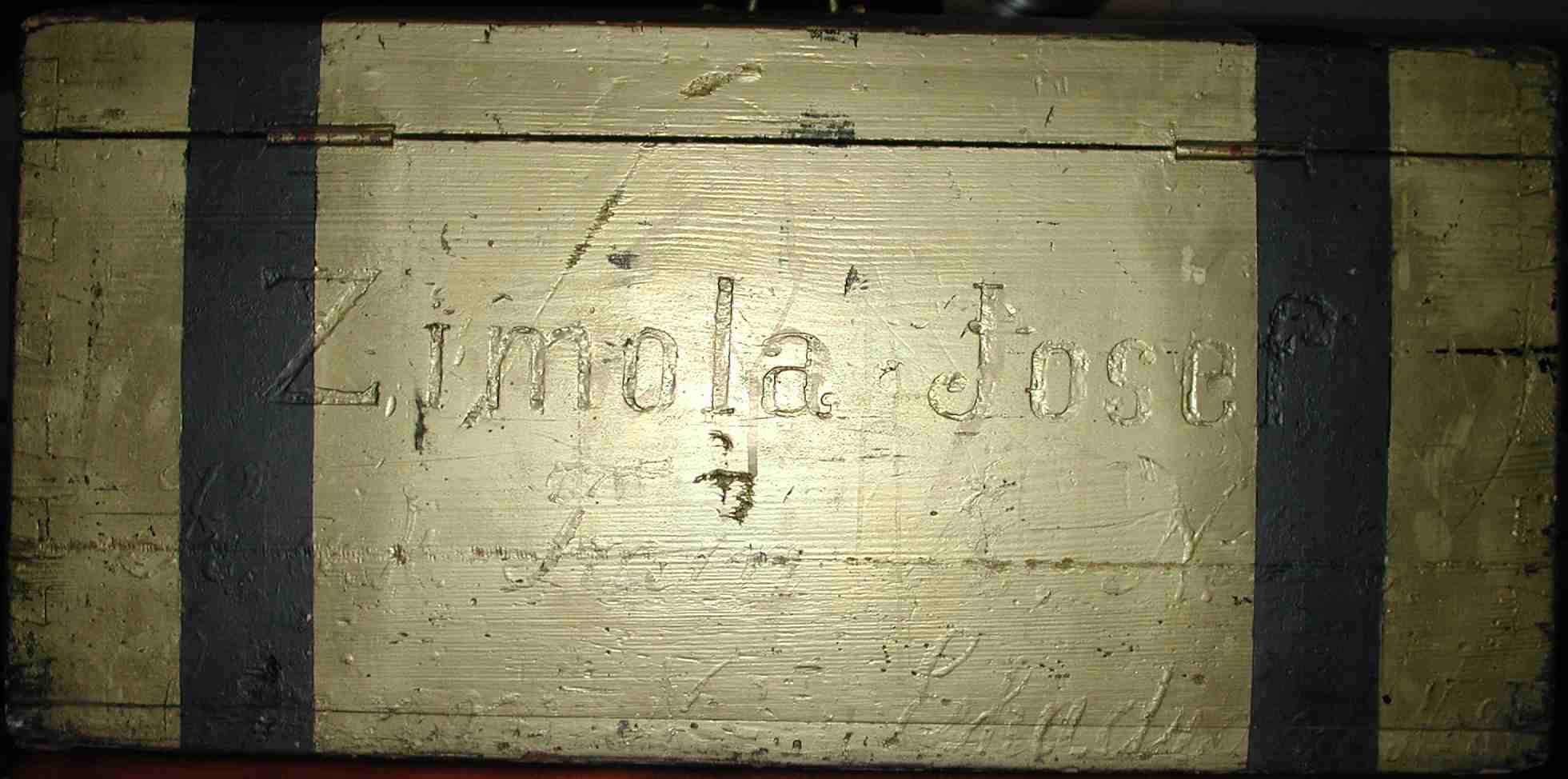
Josef Zimola's Foot Locker was from the Austro-Hungarian army. It would
hold all his
belongings as he traveled with his Division. He served in the "Train Division"
(Wagons and horses). Like most of our
early ancestors, he never tossed something that could still be used-or perhaps it
had some sentimental value. Growing up, it was our toy chest.
As kids, we only knew this box was made of wood and was a toy box. It wasn't until later that I looked more
closely and saw his name carved into the back and other information. This information is difficult to decipher.
I still have the locker in my collection 131 years later as of 2026.
Zimola & Fila Route to America
The journey from Moravia to their new home in Wahoo, Nebraska - 1904
Map Legend
Key locations in the Zimola and Fila families' journey to America.
House #35, Bransouze, Moravia - Early 1904
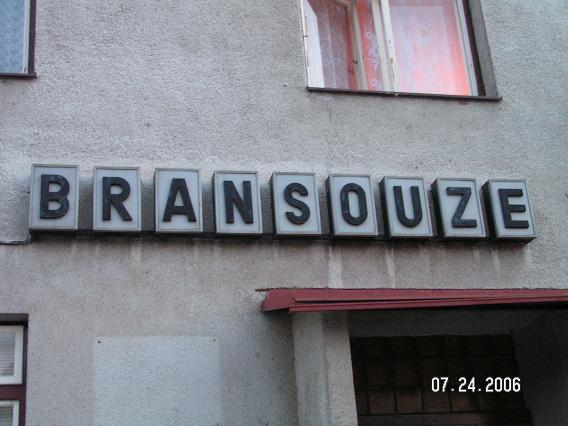
The Zimola family's ancestral home in Bransouze. Josef Zimola grew up here before immigrating.
Bremen, Germany - April 1904
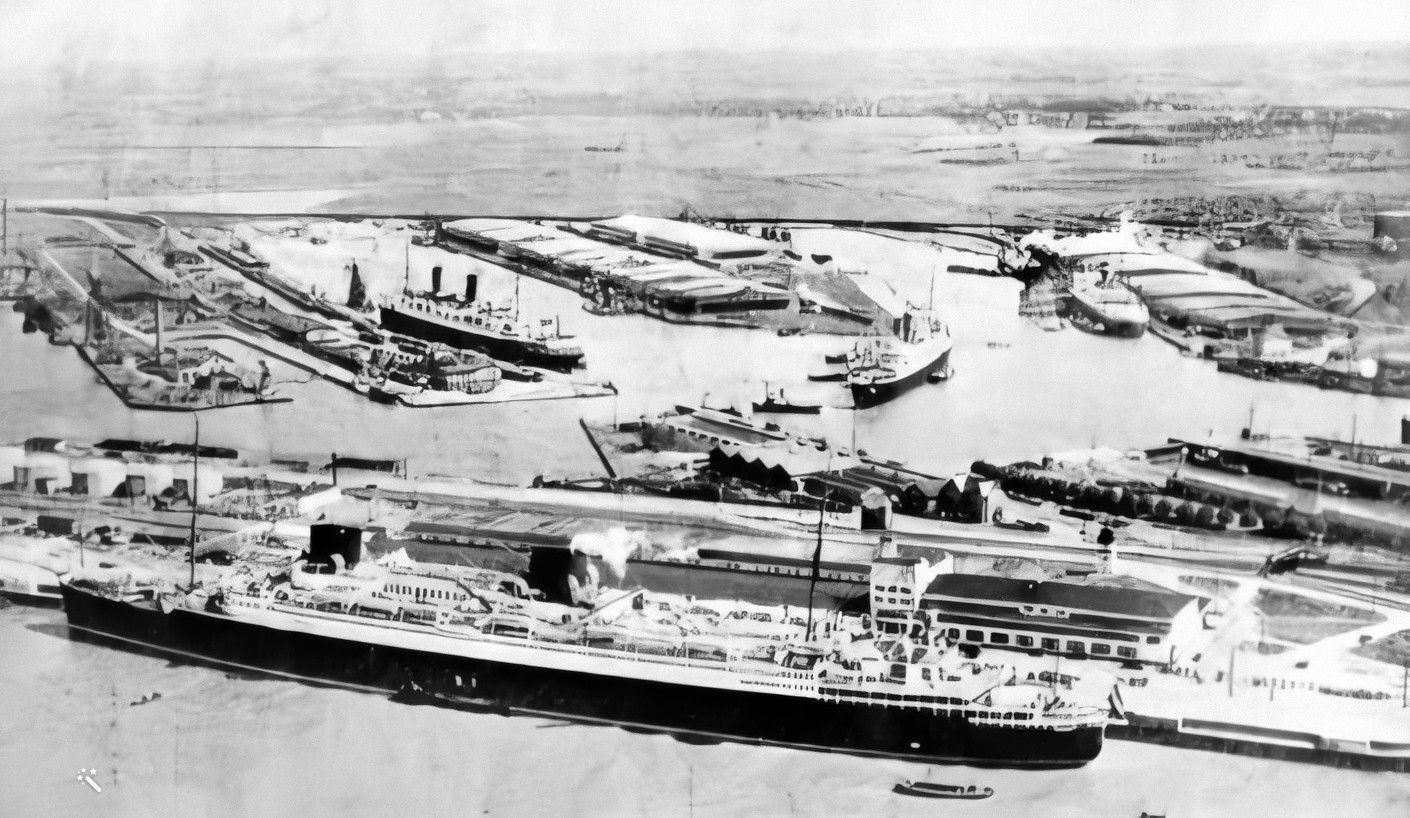
Bremen, Germany, the port of departure for the SS Kaiser Wilhelm der Große, the fastest ocean liner of its time.
Ellis Island, New York - April 20, 1904
The family arrived at Ellis Island after their Atlantic crossing. 14 ancestors across five related families were on this voyage.
Wahoo, Nebraska
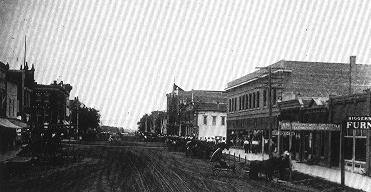
The Zimola family's final destination, where they settled on their farm near Wahoo, Nebraska.
Land & Legacy
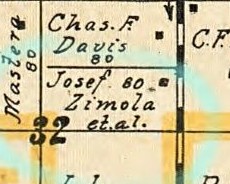
Cedar Township Section 34 - Josef Zimola
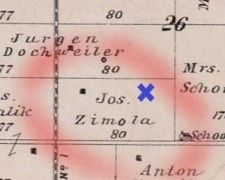
Cedar Township Section 26 - Josef Zimola
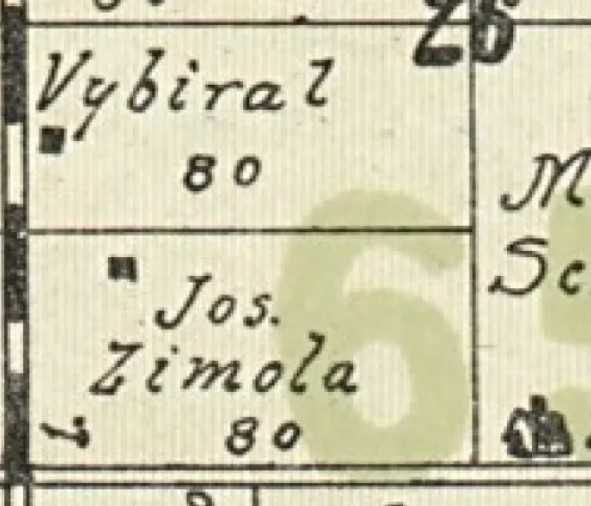
Pohocco Township Section 32 - Josef Zimola
Family Stories
Anecdotes and tales from across the generations
Family Anecdote
The Zimola family traveled with the Fila family on the SS Kaiser Wilhelm der Große
There were 14 ancestors across five related families on this single voyage to America. Josef and Antonia brought their two young daughters, Antonia's parents, her sister's family, and a cousin. They all settled near Cedar Bluffs, then colon and finally Wahoo, Nebraska.
.jpg)
Fila Family History
The Fila family traveled with the Zimolas. Josef Fila and Františka Kourková were Antonia's
parents.
Read the Fila family story.
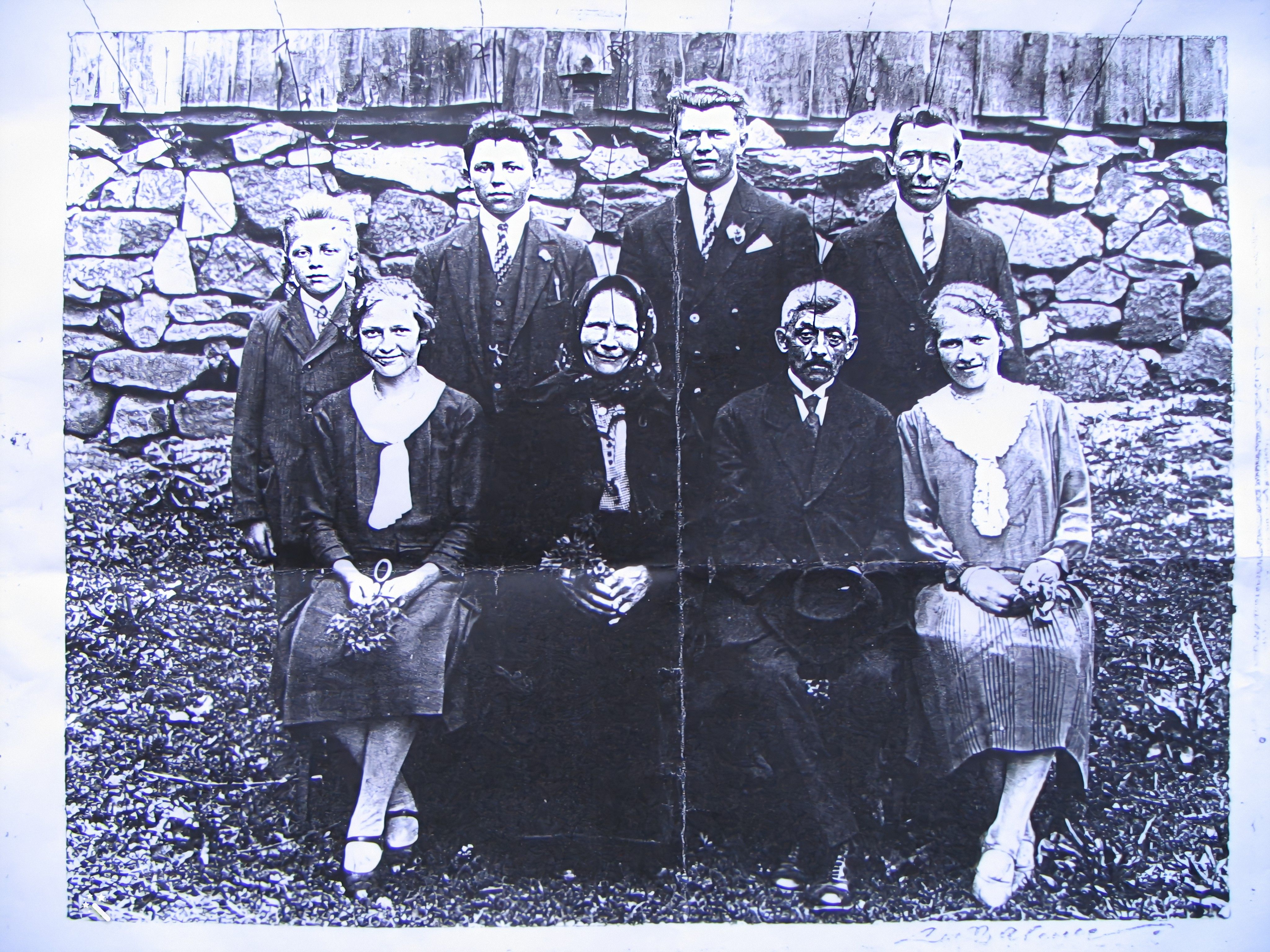
Zimola Photo Album
Browse through photographs of the Zimola family across the generations.
View the family album.
Zimola Documents
Ship manifests, census records, land records, RCPO documents and other historical documents from the
Zimola family.
Explore the archives.
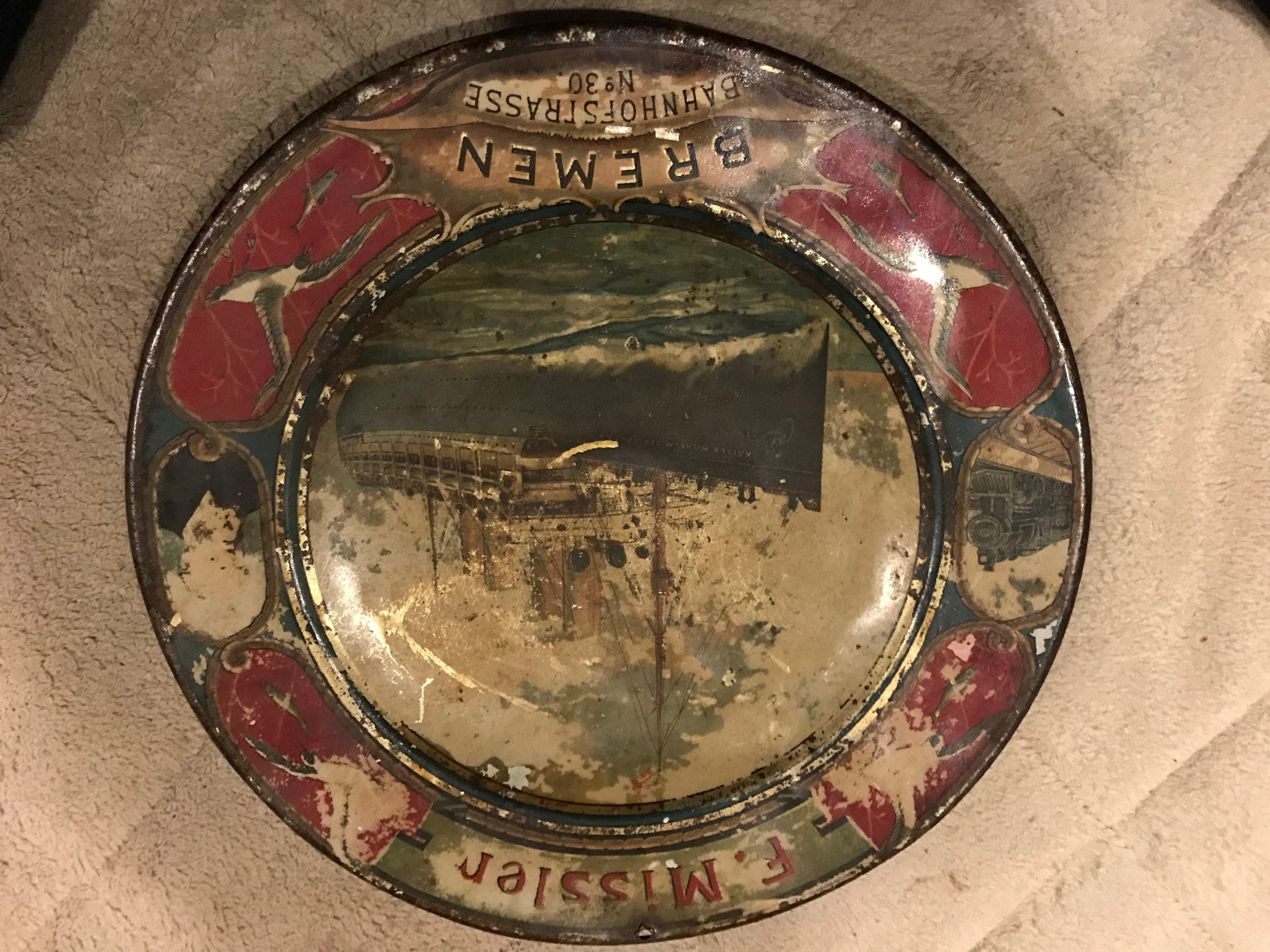
I came across a Hand Painted Dinner Plate made of Metal, from the SS Kaiser Wilhelm der Grosse in my mother in laws attic. your site is the only information I could find on it. Any idea of, if any, value?
I bought it for $250 in 2005 from ships@oceanliner.com. good luck
My grandfather John Vybiral was born in Trebic, Moravia in 1869. He came to Colon, Nebraska in 1878 with 2 brothers and 2 sisters. What was the entry point and name of the boat? Richard Vybiral – Marshalltown, Iowa