The Smith Surname
Tracing the origins, evolution, and global spread of one of the most common surnames in the English-speaking world
History
While the surname Smith probably originated in the United Kingdom — the earliest recorded instance appearing in 975 in England — its history spans many cultures and eras. Most likely, the surname was originally related to someone who was a blacksmith, goldsmith, or any type of metalworker, and would have been adopted by those who practiced the profession and subsequently their families.
As time went on, the surname was also taken due to life circumstances. Many Native Americans adopted the name (which was common even in colonial times) to make dealings with colonists easier. Freed slaves would take the name Smith because it was the name of their former slaveholder. In other cases, due to the surname's frequency, Smith was often taken as an alias. Especially during World War I and World War II in the United States, the German names Schmidt or Schmitt would be changed to "Smith" — Americanizing it to conceal German heritage.
The history of the Smith family and related names is one of the most complex and widely misunderstood family histories. Having the surname Smith does not necessarily mean that a particular family is of Anglo-Saxon roots. Because of the wide variety of reasons for adopting the surname — and the changing from original languages to "Smith" — not all families named Smith are related.
Name Origin
Originally, the name Smith was an Anglo-Saxon (Old English) term meaning "one who works in metal." However, some scholars believe the surname may also have been connected to the word "smite" — the Old English form meaning to strike, as in early 17th century Biblical English where the verb "to smite" meant to hit – linking it to the identity of a warrior.
Spellings & Pronunciations
- English
- Smyth, Smythe, Smijth, Smithman, Smithson, Smithfield
- German
- Schmid, Schmidt, Schmitt, Schmitz, Schmied
- Yiddish
- Schmieder
- Southern Dutch
- De Smid, De Smedt, Desmedt, De Smet, Smeets, Smets
- Northern Dutch & Afrikaans
- Smit, Smid, Smidt, Smed, De Smet
These are just a few of the many variations and branches of the Smith family tree.
George "Burntface" Smith – The Journey to America
The Smiths are believed to be descendants of George "Burntface" Smith, born on January 1, 1688, in England. He is said to have been a Scottish coaler who came to America to serve as an indentured servant for William Byrd II. George immigrated to Virginia on June 15, 1709, aboard the ship Providence.
Our 5th-great-grandfather — Born January 1, 1688 in England
Our Ancestors Locations
Our Smith ancestors and their many relatives settled in Virginia and Kentucky as early as the beginning of the 1700s.
Virginia
- Chesterfield County
- Tug River
- Frederick
- Jamestown
- Richmond
- Harrisonburg
- Wheeler South Ford
- 12 Pole Creek
Kentucky
- Blaine
- Iron Hill
- Carter
- Covington
- Morehead
- Johnson
- George Creek
DNA Heritage
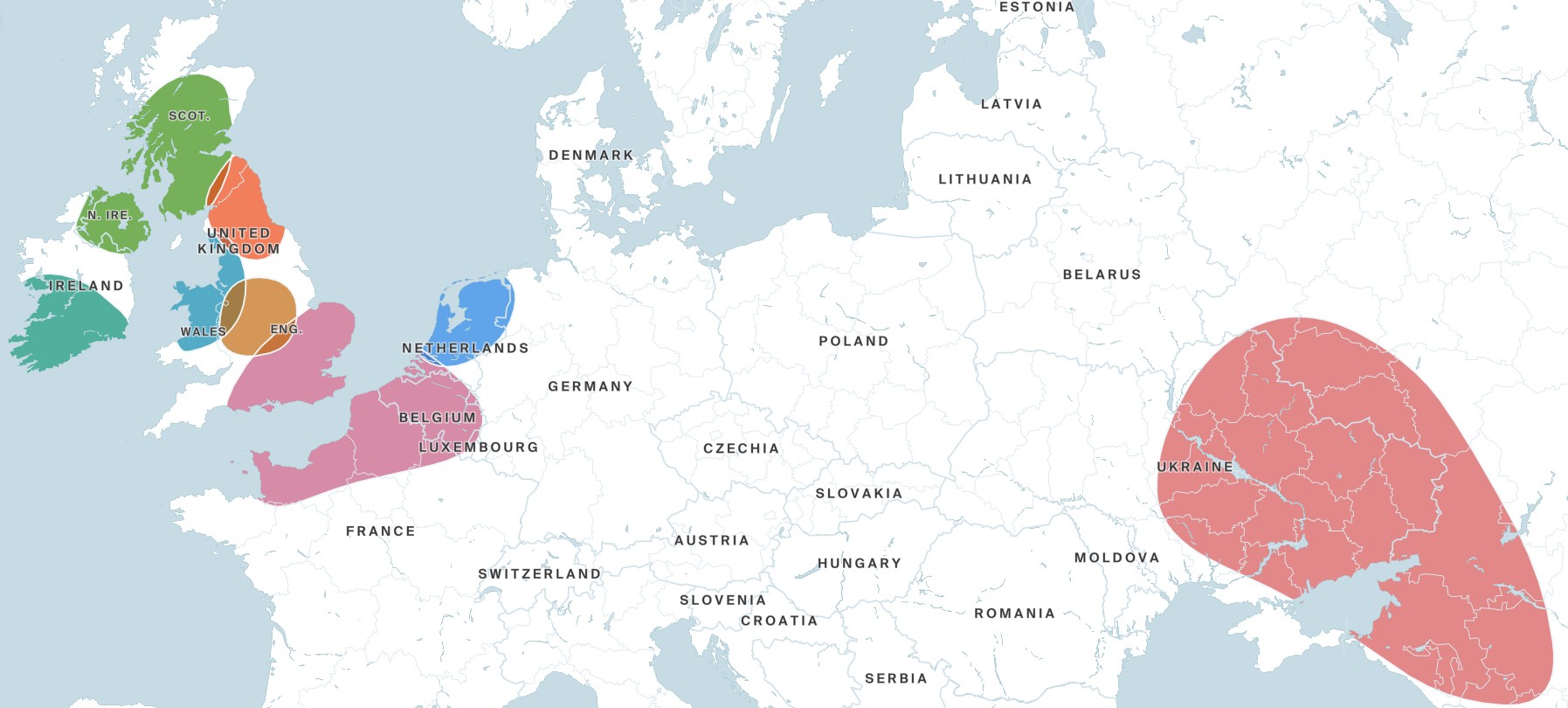
When we did our Ancestry DNA, including our father, we all had some Central Scotland & Northern Ireland DNA. Our father had 58% of his DNA listed in the Region.
Donald Keith Smith DNA Map — our father.
William Byrd II
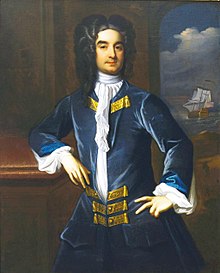
He was also a prolific writer of diaries that would later be published in several books.
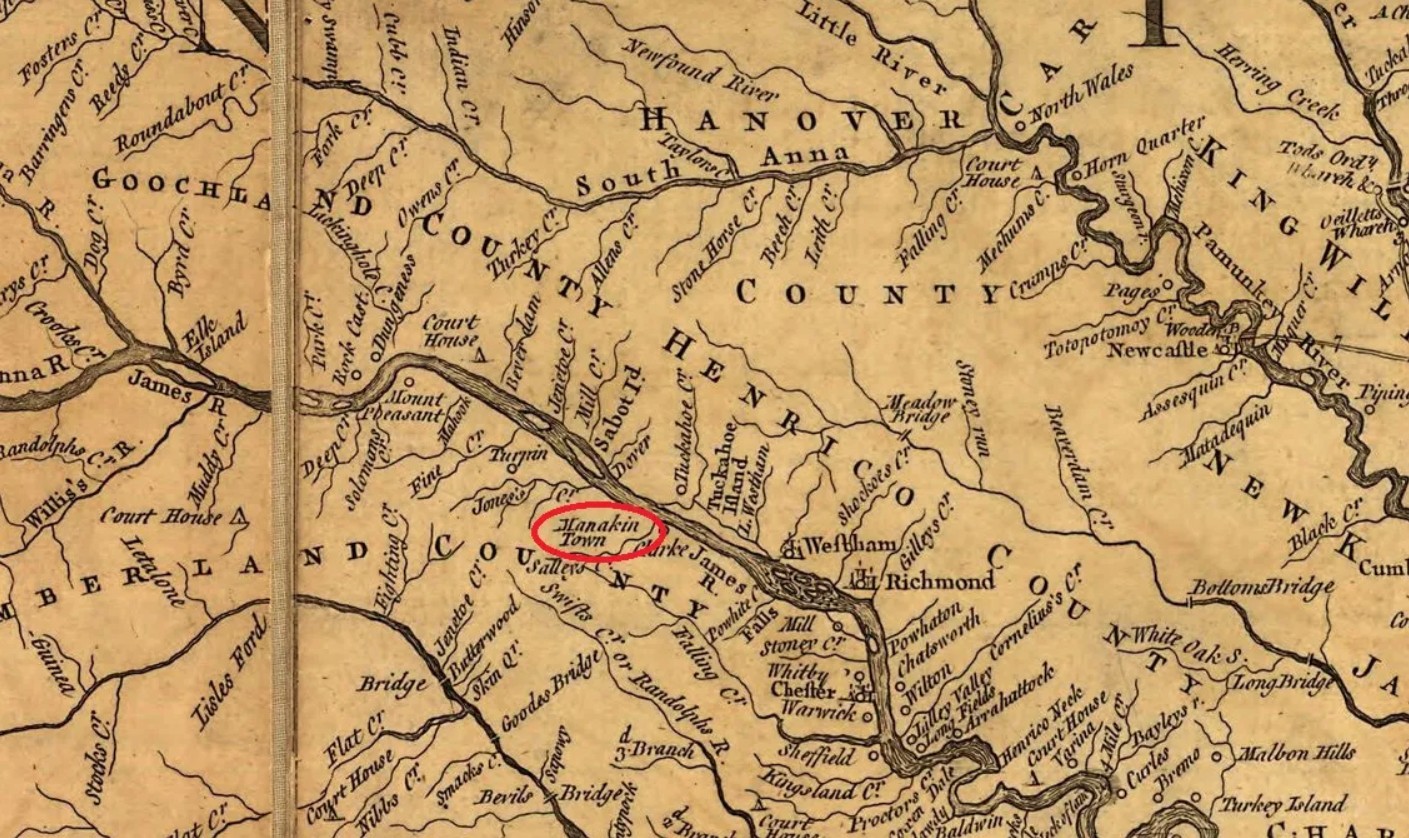
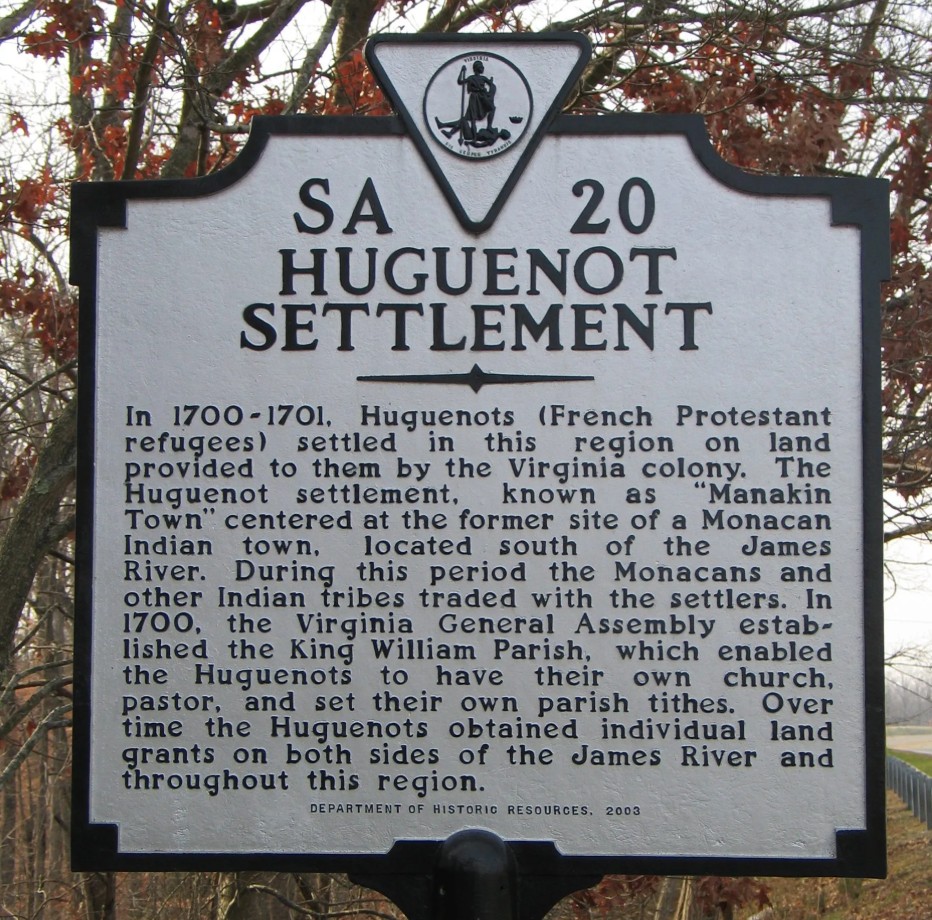
Byrd's Diary Entries
Below are excerpts from William Byrd's diary mentioning George Smith:
"While at dinner Captain M-r-n came with some more letters. He brought me a coaler recommended me by Colonel Blakiston."
".... that the coaler found the coal mine very good and sufficient to furnish several generations"
"From hence Isham Randolph and I proceeded to Falling Creek, where I found all well and had the pleasure to hear that my coaler had recovered .... "
"George the coaler came likewise from the coal-pit and told me all was well there."
"George Smith came from Manakin Town and told me all was well at the coal-pit and Falling Creek."
"I rose at 5 o'clock and settled accounts with George Smith .... About 8 o'clock came Mr G-r-l and George Smith by whom I learned all was well at Falling Creek and the coal-pit."
Life as a Coaler
As you can see, George was Byrd's "coaler" in charge of his coal-pit — and the assumed reason for his nickname "Burntface"— must have meant a few too many close calls with coal fires. Other writings indicated that George was often absent and that Byrd was unhappy with his coaler.
George was listed as a tithable for the Huguenot's King William Parish as early as 1714, five years after he arrived in Virginia, which may indicate his service period ended early.
Parish Records
In Parish documentation, George gave one tithe consisting of two bushels of wheat in 1720. He is listed in the records along with his sons Thomas, James, and George.
Land & Legacy
Married Anne Bailey in Goochland County, Virginia
Granted 367½ acres of land on a branch of Jones Creek called Chastain's Branch for 40 shillings
By the time of his death, George had accumulated significant land and wealth
Family Stories
Anecdotes and tales from across the generations
Family Anecdote
The Smith–Garrett Connection
When James Washington Smith died in the Civil War, his widow Jane R. Garrett remarried. Two of her daughters then married two of the sons of her new husband. That was one hell of a negotiation.
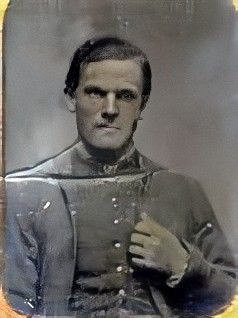
James Washington Smith Story
The progenitor of my "direct" Smith family line was James Smith, of Chesterfield County, Virginia. James was both on February 15, 1774, in Manchester. He married Margaret (UNKNOWN).
They had 7 children including James Washington Smith, my direct ancestor. They also had a set of twins, Bailey Hilton and Nancy.
James was in Company K, VA 8th Cavalry as a Bugler. Company K was also called Big Sandy Rangers.
Read Story →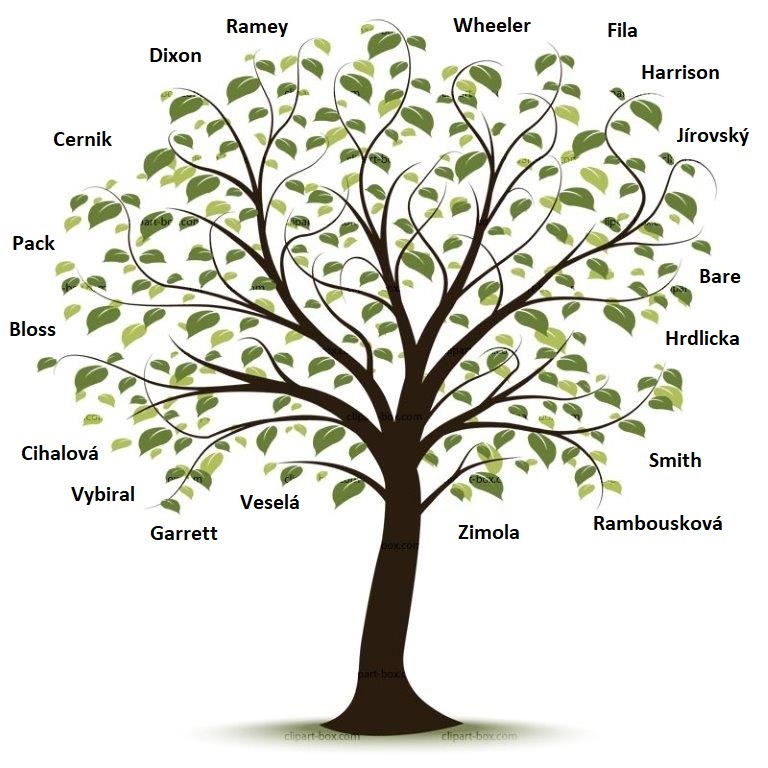
Smith Family Tree
The ancestor tree for Donald Keith Smith, the father of myself and five brothers.
His tree in America dates back to the 1600s.
See the Trees →
Isaac Smith “Son’s of the American Revolution” Documents
The progenitor of the Smith family line that married into the Bloss and Garrett line was Richard Smith. He was born in 1627 in England and settled in Northumberland County, Virginia in about 1657. He had a son named William who had a son named Isaac who had a son named Isaac Jr. born in 1745 in Culpeper, Augusta County Virginia. Isaac Jr. served in the Revolutionary war and served under the command of Col. Zackquill Morgan in the Virginia Minutemen/Militia, a regiment raised in Monongalia Virginia.
Isaac Smith Jr. later served under General Lafayette at the Battle of Yorktown.
Read Story →
Comments
0 comment(s) on ""